
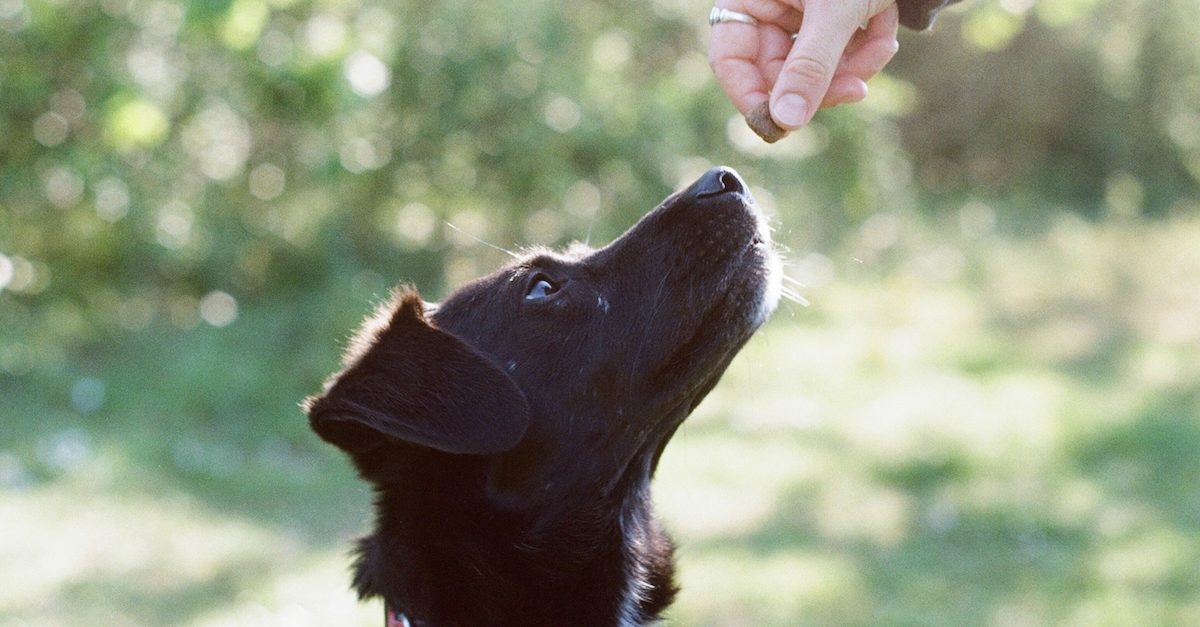
9 out of 10 dog and cat owners say they pay attention to their faithful companion's diet. However, 40% of them give a treat every day. A YouGov study for Virbac – a French pharmaceutical laboratory dedicated to animal health – asks the question: what if the little extras of everyday life went under the radar?
Who has never fallen in love with their dog, a gourmet with a pleading look, who hopes for a little treat?
The study YouGov
carried out for Virbac with 1,005 pet owners in France
shows that many of us watch over the bowls of our beloved furballs: 91% of dog adopters and 90% of cat adopters say they are very careful about what they eat. 88% (dogs) and 83% (cats) also believe they know how to help their pet maintain an ideal weight.
However, the delicious treats flow freely! 1 in 2 dog owners give it at least once a day, compared to 34% of cat owners. According to this survey, only 4% (dogs) and 11% (cats) never give it.
The paradox? Among the owners who say they pay attention to their 4-legged friend's diet, 40% distribute small treats at least once a day. But pet treats aren't the only extra treats. 38% of dog owners and 25% of cat owners also share pieces of their own meal with their canine or feline companion.
“Giving your dog or cat a treat is generally a good intention”
Behind all these succulent little bites? Affection. Among dog adopters who offer treats, Virbac tells us that 59% of them use them to congratulate good behavior and 40% during learning or an exercise. But 55% do it simply to please their beloved furry friend, and 38% to show their love.
On the feline side, it is the notion of pleasure that comes first. In fact, 60% of the adopters concerned offer a treat to flatter their mustachioed person's taste buds, 40% to show their affection and 38% to reward a desired behavior.
Reunions are also a good excuse to spoil your pet. After an absence, 27% of dog owners and 26% of cat owners give their 4-legged companion a little treat.
“ Giving your dog or cat a treat is generally a good intention, explain Nafissa Tabbiveterinarian and technical manager of the ranges Nutrition And PetCare at the house of Virbac France,
(…) but these small gestures can quickly become everyday reflexes, without us necessarily thinking about integrating them into our overall ration. The objective is not to eliminate treats, but to help owners realize that each intake counts and to find the right balance, adapted to the needs of their animal. »
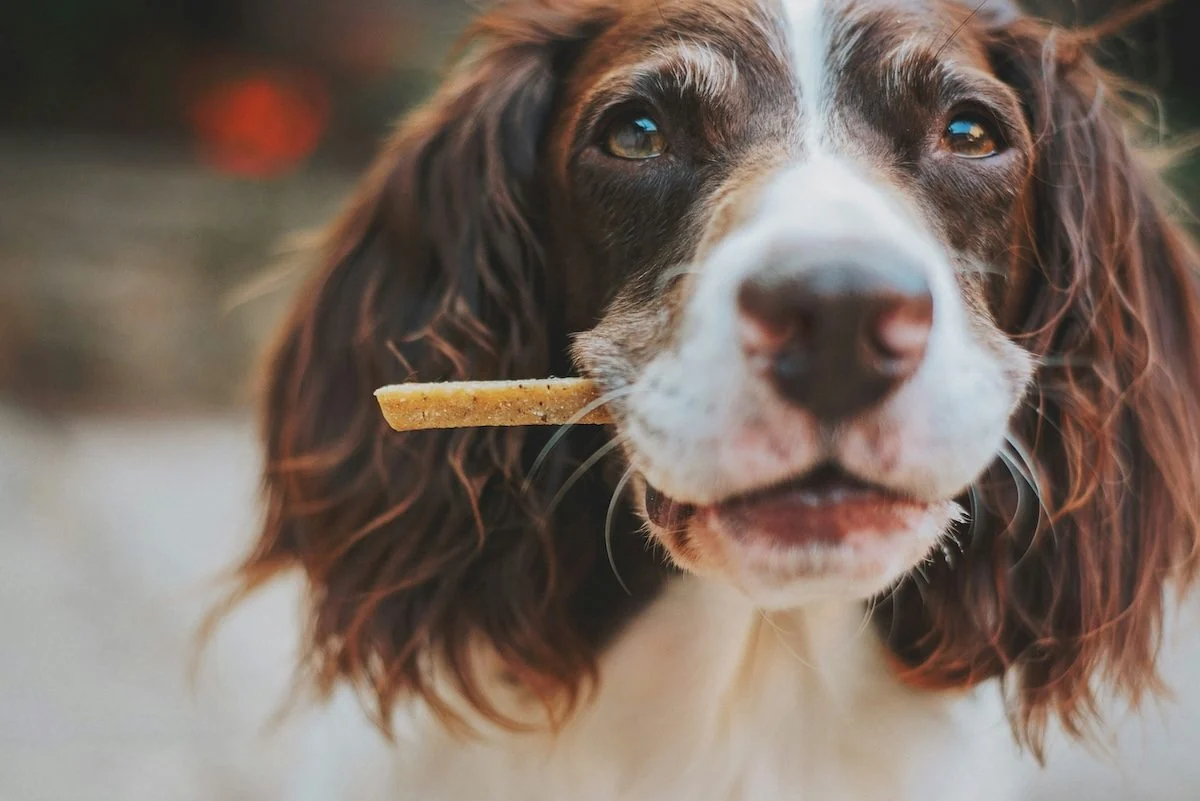
Overweight in dogs and cats: what if we looked further than the contents of the bowl?
Yes, treats, small tempting rewards and table scraps contribute to an animal's energy intake during the day! Their effect on weight depends on their nature, the quantities distributed and the nutritional needs of each furball.
Another lesson from this survey? These extras are not seen as a priority weight factor. Asked what influences the waist size of their faithful companion, 41% of dog owners and 42% of cat owners cite the daily amount of food. Small contributions outside the bowl come in behind, cited by 31% (dogs) and 29% (cats) of them. Other parameters come into play, such as physical activity, age, state of health or sterilization.
For Virbacthe prevention of excess weight is based on a global approach: “ A diet adapted to each animal, taking into account rewards and intake outside of meals, appropriate physical activity and regular veterinary monitoring. »
Rest assured, there is no question of banning treats. The goal? Adapt their quantity and frequency to the daily ration of Medor or Felix. “ Games, walks, caresses and stimulating activities also offer opportunities to strengthen the bond with your dog or cat without systematically resorting to food. »