
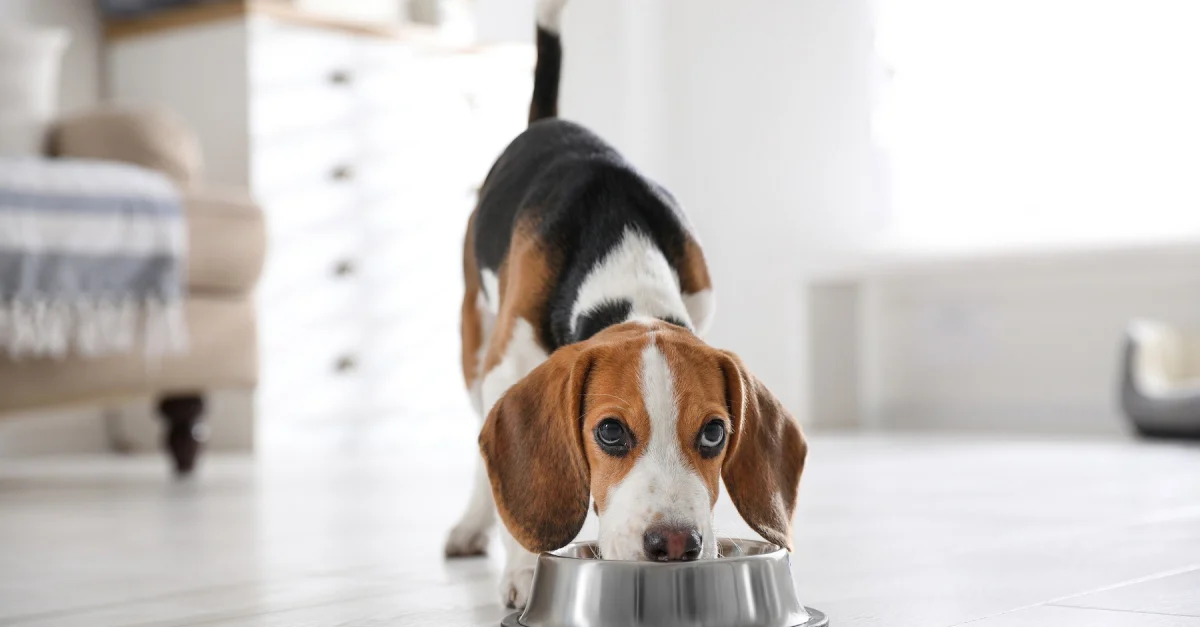
Choose a diet adapted to your puppy's profile
In just a few months, your puppy will grow into a full-fledged adult. Diet is important for one's well-being and health, and can have major repercussions on one's entire existence. It must be complete, balanced and adapted to their unique needs.
We invite you to choose the contents of your bowl taking into account your age, your size, your level of physical activity, your state of health, but also your sensitivities. Their diet must contain a sufficient level of quality, easy-to-digest proteins, vitamins, minerals, fiber, lipids and carbohydrates.
Don’t hesitate to discover the range Hill's Science Planwhich accompanies your animal at every stage of its life. In particular, it offers chicken or lamb kibbles for small, medium or large breed puppies. Foods that are both tasty and tailored to the profile of the new member of your family! If you want to find out which kibble to choose for your puppy and form an opinion, find our page on Hill's kibble for dogs.
Finally, always leave fresh, clean water available to maintain good hydration on a daily basis.
Offer him the right accessories
Several accessories are essential to meet the needs of your puppy. In terms of food, it is appropriate to give him a bowl. If you live with other animals, make sure everyone has their own.
Be careful that your little ball of fur does not use it as a toy and does not chew it, which could cause an accident (damaged teeth, internal injury, poisoning, etc.). Would you like to serve him some mash? You can slip it inside a stuffed toy that fits your puppy's jaw to stimulate him!
To ensure hygiene and prevent certain health problems, we strongly recommend that you clean your pet's accessories after each meal. Leftover food may attract bacteria.
Make a dietary transition upon arrival
Whether you adopted your puppy from a shelter or from a professional breeder, find out about the diet he received before he arrived at your home. By purchasing a small quantity of this food, you can offer your pet a smooth transition to its new food (over about a week).
This process ensures that your delicate digestive system is not disturbed. A sudden dietary change is likely to cause some gastrointestinal problems, such as bloating, gas or diarrhea.
Determine the most appropriate meal location and frequency
To ensure your puppy enjoys his food with complete peace of mind, place his bowl in a quiet place and remove it at the end of the meal. Avoid interactions while he is filling his little stomach, as well as intense physical efforts at least 1 hour before and 2 hours after feeding to prevent digestive problems from rearing their ugly head.
Regarding frequency, give small, regular amounts to your young dog depending on their age. Generally, you can serve:
- up to 4 meals per day for a puppy aged 2 to 3 months;
- 2 to 3 meals for a puppy aged between 4 and 6 months;
- 2 meals (the first in the morning, the second in the evening) for a puppy over 6 months old.
If necessary, ask your veterinarian for advice.
Don't give in to your puppy's demands
For the well-being and health of your puppy, but also to avoid certain behavioral disorders, it is essential to take various precautions on a daily basis. Although he has stunning eyes, don't give in to his demands!
So, teach him not to beg for food while you are at the table or behind the stove. Overeating and unsuitable foods can cause multiple health problems, such as being overweight or poisoning.
Serve meals at a set time, and do not leave any food products lying around your home. Keep your puppy away from cupboards, but also from trash cans, by keeping them tightly closed.
Finally, you have the option of giving him puppy treats as part of his education. Used as rewards, they strongly motivate your pet, facilitate learning and positively reinforce desired actions.