
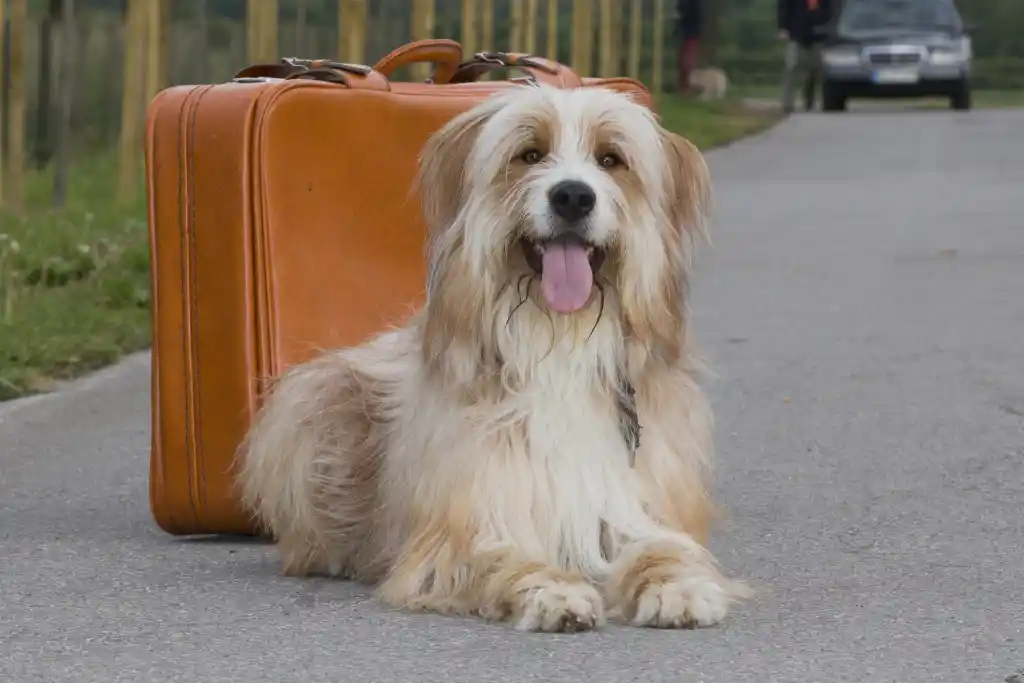
Bonn. For many pet owners, the dog is an integral part of the family – and therefore also a loyal companion on vacation. Whether within Germany or traveling abroad: the trip together needs to be well prepared. However, with the right planning, you can ensure that people and animals can enjoy the holiday season in a relaxed and safe manner.
Travel documents and identification
A valid EU pet passport is required for travel within the EU. This documents, among other things, the current vaccination status. It is also mandatory to clearly identify the dog using a microchip. Without these requirements, problems can arise when crossing borders. It is not mandatory, but definitely recommended, to enter chip and owner data in the relevant animal registers.
Check vaccination protection in good time
Complete vaccination protection against rabies is a prerequisite for entry into many countries. The specified time periods must be strictly observed; for some countries, rabies vaccination protection must also be serologically proven. Good vaccination protection against the most important diseases that are also important here is definitely recommended. If necessary, vaccination against leishmaniasis is recommended when traveling to southern countries. Since it takes some time until full vaccination protection is developed after a vaccination, the vaccination status should be checked by the veterinarian at an early stage. For some countries such as the UK, Ireland, Malta, Finland or Norway, treatment against fox tapeworm documented by a veterinarian is also mandatory.
Don't forget parasite prophylaxis
Depending on the travel destination, there is an increased risk of ectoparasites such as ticks, fleas or mosquitoes. These can transmit various pathogens, including Leishmania or Babesia. Endoparasites such as worms – including heartworms – are also important, particularly in southern regions. In order to protect the dog as best as possible, suitable parasite prophylaxis should be agreed upon with the veterinarian before the trip.
Transport and supplies on the way During the journey, the dog must be safely accommodated, for example in a transport box or with other suitable security systems in the vehicle. Regular breaks, enough water and protection from heat are essential. Life-threatening overheating can quickly occur, especially in summer. The dog must therefore never be left in the car, even during short breaks.
Well informed about the destination country
Some countries have specific entry requirements or restrictions for certain dog breeds. Regional health risks and local veterinary care options should also be researched in advance. It is advisable to identify a veterinary practice at your holiday destination before you leave. In addition, the return travel regulations from third countries should also be observed in order to avoid problems when re-entering the country.
Travel first aid kit for the dog
A well-equipped first aid kit can be helpful in an emergency. These include remedies for nausea and diarrhea, bandages for minor injuries and eye care products, for example for irritation caused by sand or dust. If you have known allergies or chronic illnesses, you should also take appropriate medication with you.
With the right preparation, nothing stands in the way of a safe and relaxing holiday with your dog. Pet owners should inform themselves early and seek advice from their veterinary practice if they have any questions.
Further information at → Holidays with dogs: Ten tips for a good trip
Federal Association for Animal Health (BfT)
Was this amount interesting or helpful?
Your rating shows us what you and your furry friend like – it's like a treat for us.