

Your faithful companion seems happy at home. But how do you know if he really feels good and safe there? The way he stands, moves or even rests says much more than we think. Certain everyday behaviors allow you to identify whether your dog feels confident enough to let his guard down. Here are 5 signs to watch for.
Offering a dog a home is not always enough to make him forget his possible fears from the first days. Whether he comes from a shelter or arrived at your home as a toddler, he needs time to get his bearings. Patience, regular habits and a stable environment contribute to one's well-being.
But our faithful 4-legged companions also have their way of showing us that they feel good at home. Their body language is particularly revealing. You still need to know how to decipher it! Here are 5 clues that can help you better understand what your furry friend is feeling.
1. Body posture
A dog who feels secure has a relaxed attitude. His muscles do not seem tense, his body remains supple and his movements appear natural. He can move quietly through different rooms without appearing on guard.
Conversely, an animal that makes itself very small, steps back when you approach or remains constantly tense may express a certain discomfort.
2. Facial expressions

The face of your little companion can also give you valuable information. When he is comfortable, his gaze becomes soft, his ears adopt a natural position and his jaw is relaxed.
Wide eyes, a fixed gaze or tense muscles around the muzzle can indicate worry. However, it is necessary to take into account its morphology and habits.
3. The position and movement of the tail
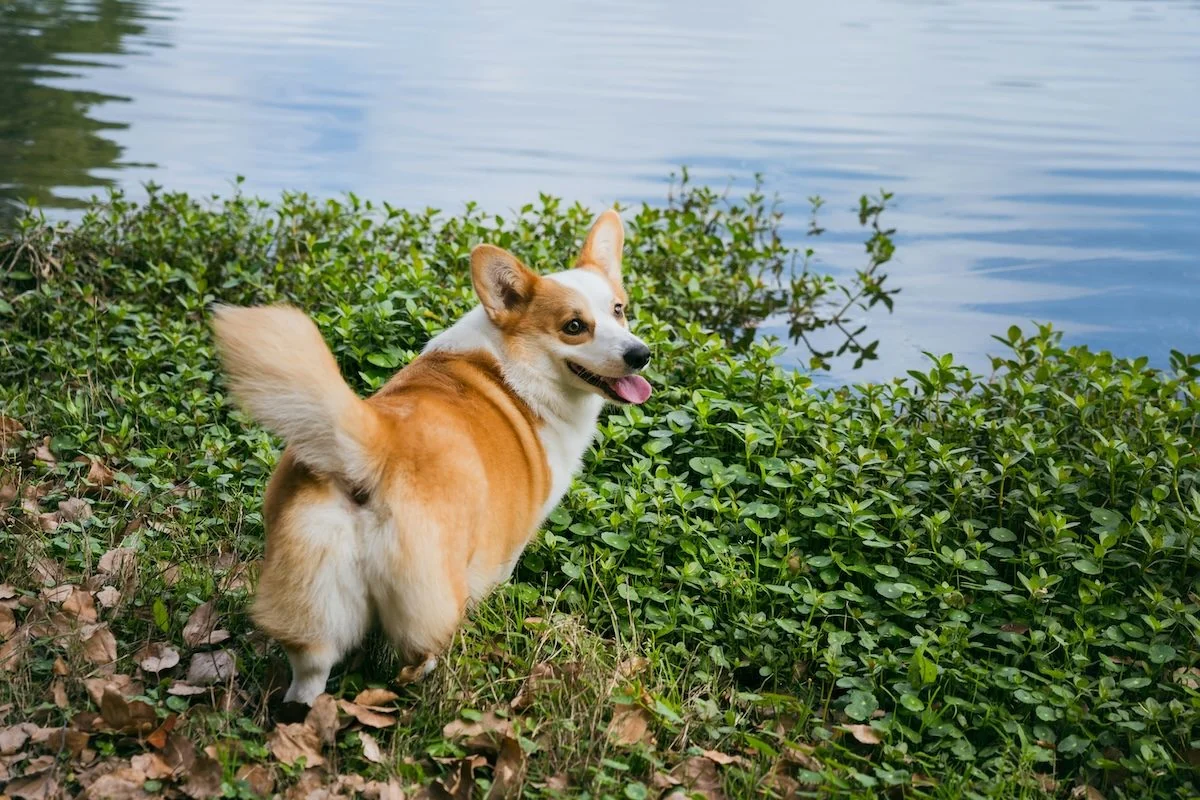
We tend to associate a wagging tail with a happy dog. However, this movement does not always mean a state of happiness! A tail carried naturally, accompanied by flexible and ample movements and rather reassuring.
But a very low tail or tucked between the legs can signal fear. A high and stiff tail also deserves your attention.
4. His activity level
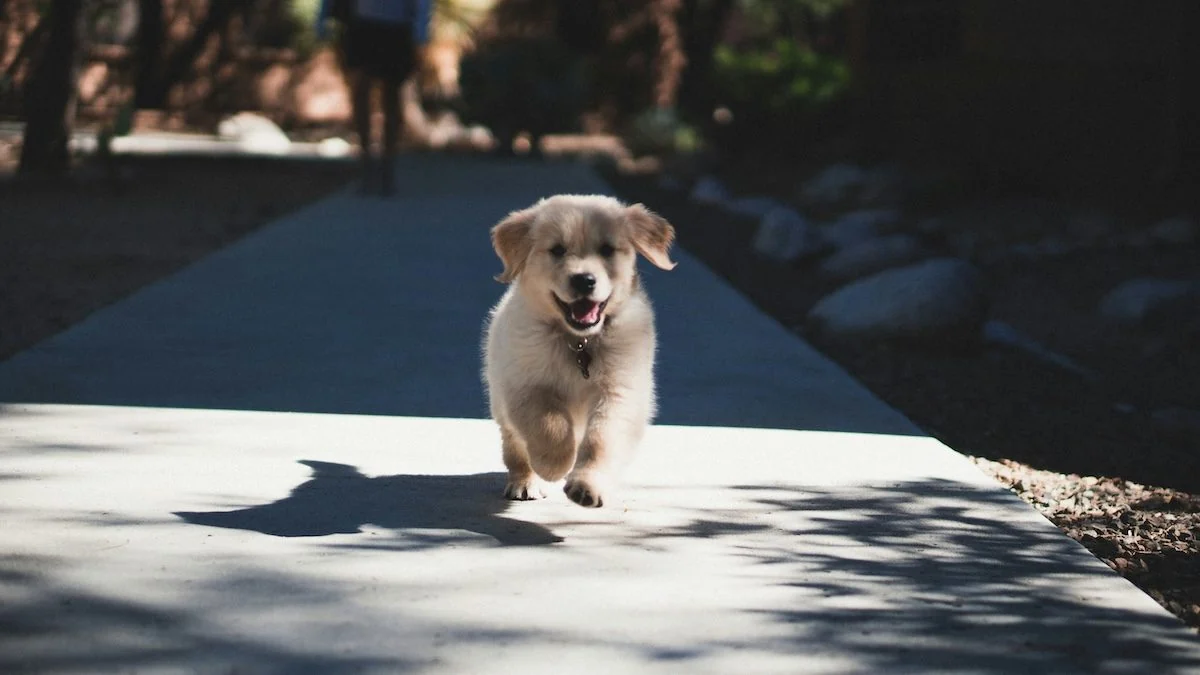
A confident doggie easily alternates moments of play, exploration and rest. He is curious, moves without hesitation and reacts normally to his surroundings.
If he is constantly on edge, seems unable to relax, or freezes often, something may be bothering him.
5. Its resting position

Observe how your furball sleeps. If she lies on her side, stretches her legs or rests quietly near you, it's often a good sign! She agrees to relax her vigilance.
Some dogs like to sleep on their backs with their bellies exposed. But each doggie has his preferences: sleeping in a ball or at a distance does not necessarily mean that he lacks confidence.