
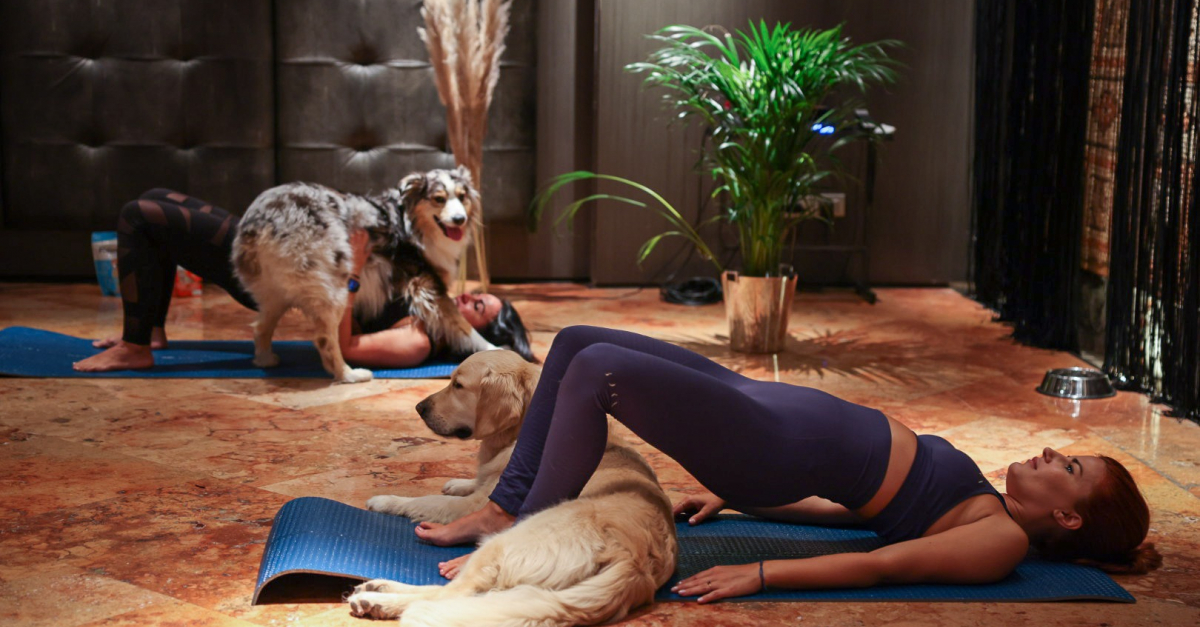
Doga, a discipline open to all dogs
Born at the beginning of the 21ste century to UNITED STATESdoga involves including your dog in your yoga sessions. Playful postures, stretching, massages, caresses, deep breathing… The sessions offer you moments of connection and relaxation in the company of your faithful companion. But is this discipline suitable for all dog breeds? The answer is “yes”!
Inclusive practice, it is open to all breeds of dogs and all ages. Active or calm, all canines can benefit from it. However, it is important to take into account the state of health of your animal (illness, current or old injury, etc.). Avoid, for example, balance postures requiring the joints of a puppy that is still growing, or of a senior experiencing joint problems.
Before diving into the fascinating world of doga, ask your veterinarian for advice. The latter will confirm whether your 4-legged friend will be able to perform stretching exercises in your company. Likewise, your quadruped does not need advanced education to accompany you on the mat. He simply must be able to follow basic commands, and enjoy spending time with you!
You will have understood, the main thing is to adapt the postures and movements according to the abilities of your animal. The objective of doga is not limited to physical performance. This gentle discipline focuses on relaxation and strengthening the bond with your dog. It promotes communication, trust and relaxation. Little moments of complicity and happiness guaranteed!
An ideal activity to calm reactive or hyperactive dogs
Doga is known for its many benefits. It helps, in particular, hyperactive or anxious dogs to channel their energy and strengthen their concentration. When doggies sense their owner's state of calm, they tend to settle down and, of course, they are happy to share this moment of sweetness with him.
To do yoga with your reactive or hyperactive dog, we advise you to start with short sessions (a few minutes) and gradually increase them. This allows you to develop your concentration little by little. Exercise in a calm and secure place, conducive to relaxation. It is important to create a relaxed atmosphere, and let your faithful companion get used to this new activity at his own pace. Small massages can help bring down your energy. Whatever happens, always adapt the sessions to the abilities and desires of your furry friend!
Medor feels nervous in the presence of peers? You can start the activity at home. Once you're used to it, don't hesitate to try group classes and follow the advice of a certified coach. Andreea Sembelyof yoga-dog.fr And @doga_franceoffers for example stays with Decathlon Travel in the Cévennes to discover doga in a group.
The importance of recognizing calming signals in dogs
Do you want to embark on the great doga adventure? The first few sessions may not be perfect, but patience, forbearance, and perseverance will help you perfect your practice.
In any case, never force your dog to practice this discipline and to hold postures that make him uncomfortable. To know if your dog doesn't want to follow the session, carefully observe possible calming signals, such as:
- Truffle licking.
- The shifty gaze.
- The turning of the head.
- The yawns.
- The gasps.
- The scratchings.
- The sniffles of the ground.
If you receive messages indicating stress or discomfort in your animal, stop the exercises. Don't forget that the goal of doga is to offer him a moment of gentleness and relaxation!
To create a positive experience, we recommend that you listen to your furry friend's desires and respect their limits. Your dog may be motivated one day, but disinterested the next. It's up to you to follow his pace!