
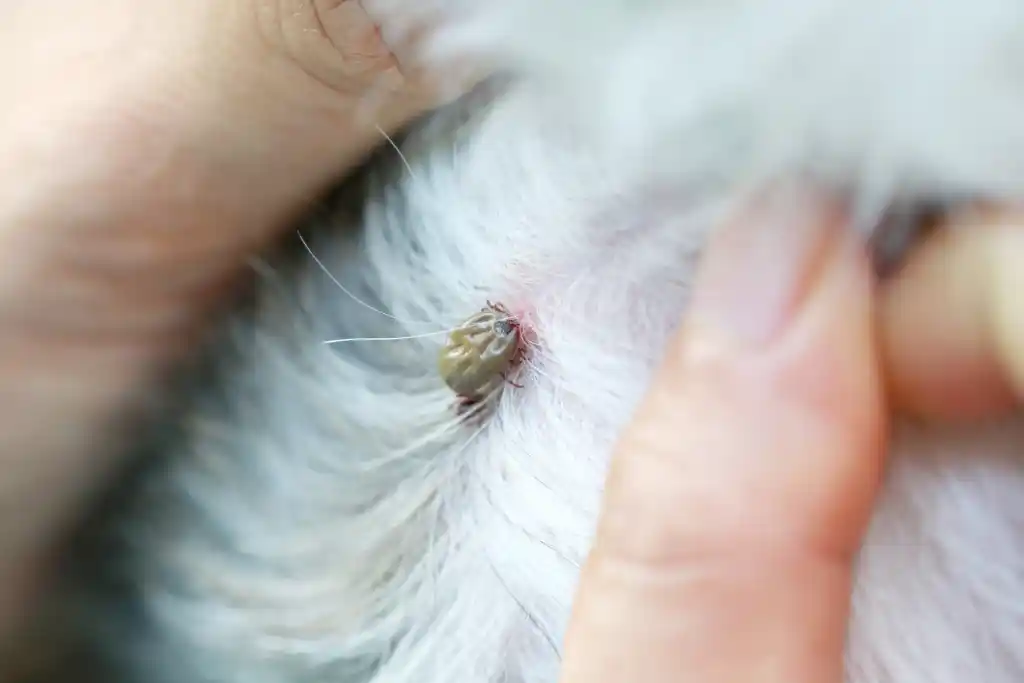
Why dog owners should act
Bonn. Whether jogging or walking with the dog in spring, summer or late autumn: ticks no longer take a winter break. That's exactly why it's more important than ever: consistent tick prophylaxis from the veterinary practice and daily checking of the animals are part of the routine. If you act early, you not only protect your dog from annoying bites, but also reduce the risk of serious, sometimes life-threatening diseases such as babesiosis.
Ticks in Germany:
also active in winter
Mild winters and long transition periods ensure that ticks are now active all year round, from around +7 °C – some species even in frost. The cold-tolerant alluvial forest or meadow tick in particular has been spreading rapidly for years and has now been detected in many regions of Germany, including in the north. This increases the risk of babesiosis, a disease caused by blood parasites (Babesia) triggered illness that was previously considered a classic travel illness and is now considered to be native to Germany.
Babesiosis:
Recognize early, act quickly
This makes it all the more important to have effective tick protection that keeps ticks away before they bite or kills them quickly and safely after they have attached before the pathogens are transmitted. If left untreated, babesiosis can lead to fever, anemia, fatigue and serious organ damage. Early diagnosis in the veterinary practice significantly improves the chances of recovery.
Tick prevention:
individual and seamless
Various preparations are available for tick protection – such as spot-ons, collars, tablets or injections. The duration of action ranges from a few weeks to a year. The key is to select the right product together with your veterinarian and use it regularly. Most products also protect against fleas, which is particularly a plus for active animals.
Daily searches remain mandatory
Despite tick prevention, the dog should be checked daily – especially on the head, ears, neck, armpits, stomach, groin and between the toes. If a tick is discovered, the following applies: remove it quickly and correctly, do not squeeze or twist it and disinfect the area. If the animal shows fever, fatigue or lameness, a veterinary examination is important.
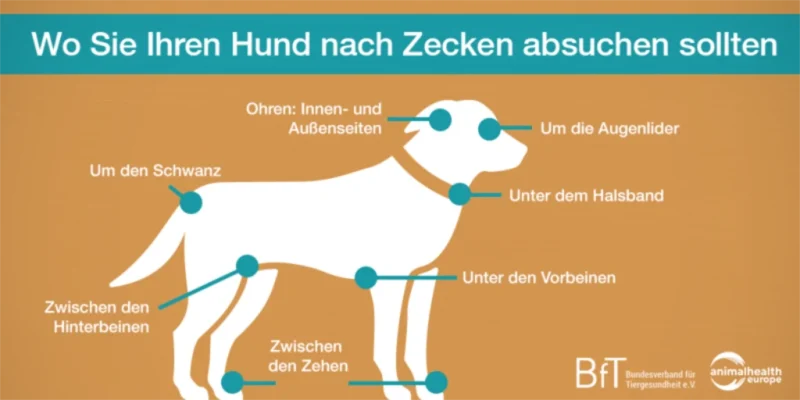
Ticks are a year-round risk. Anyone who uses veterinary-recommended prophylaxis and checks their animal regularly will actively protect against babesiosis and other tick-borne diseases.
Federal Association for Animal Health (BfT)
Was this amount interesting or helpful?
Your rating shows us what you and your furry friend like – it's like a treat for us.