
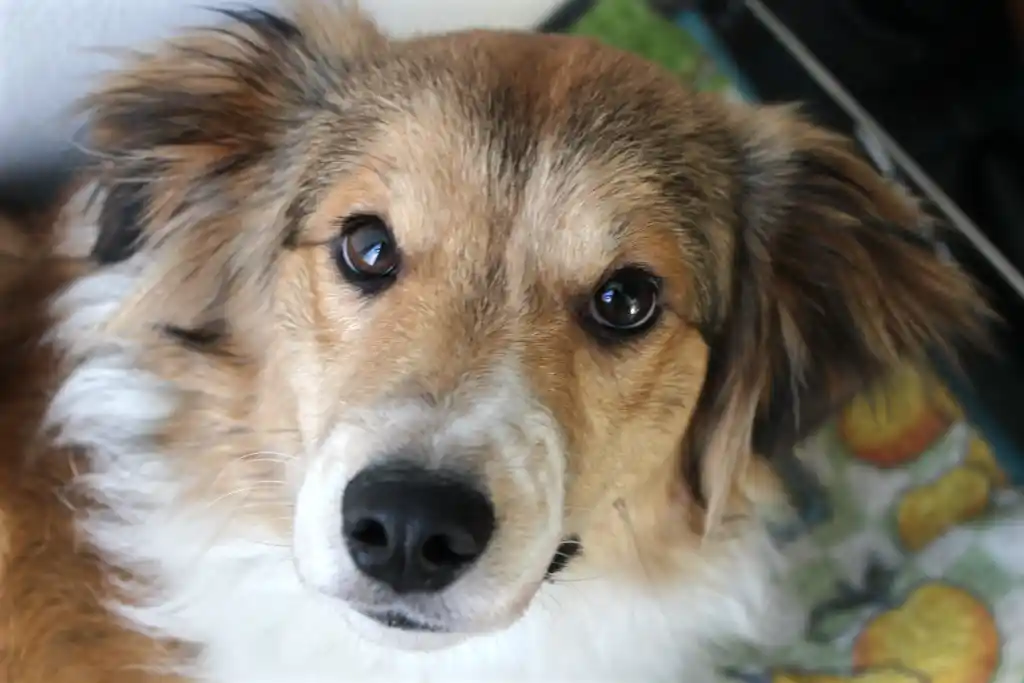
Hamburg. Spring is here and many four-legged friends are now losing their winter fur. FOUR PAWS gives care tips on how to support dogs and cats when they change their fur.
Older animals shed longer than younger animals
The timing of hair change is mainly influenced by the duration of daylight and the ambient temperature and can last six to seven weeks. In older dogs, the phase usually lasts a little longer than in younger dogs. Depending on the length of the coat, you should brush your dog at least two to four times a week during the shedding period. The same applies to cats to reduce the number of loose hairs and therefore the formation of hairballs and the risk of constipation for the cat when brushing.
Daily brushing supports coat change “The change of fur in spring is particularly intensive because the winter fur is much denser than the summer fur. To make this phase easier for dogs and cats, the fur should be combed or brushed well every day. The undercoat in particular should be removed with special combs or brushes from the pet store intended for this purpose. Brushing out tangles and mats removes dead and loose hair. The animal's skin is also massaged by brushing and has better blood circulation. This “It also stimulates sebaceous glands to produce protective oil. Since combing and brushing – especially with long, thick fur – can be painful or uncomfortable, it is recommended to train the grooming sessions in small, rewarding steps in a timely manner and to associate them positively,” says Dr. Sabrina Karl, qualified biologist and pet expert at FOUR PAWS.
The fur of non-shedding dogs also requires care
There are also dog breeds that hardly lose any hair, such as Poodles and Maltese. Dr. Sabrina Karl explains: “The fur of non-shedding or barely shedding breeds grows continuously and should therefore be sheared regularly, approximately every six to eight weeks, so that it does not become matted. In terriers and other grooming dogs, on the other hand, the hair grows and then dies. Either the old, dead top hair is then plucked out by hand at regular intervals or trimmed completely.”
Nutrients for healthy hair metabolism
“Especially during hairy times, attention should be paid to a balanced diet rich in these ingredients,” says the FOUR PAWS expert. In addition to zinc, vitamin A and the B vitamins, unsaturated fatty acids are essential for the dog's healthy coat change. Unsaturated fatty acids are found in borage, fish or evening primrose oil. All of these nutrients are available in special tablets or oil mixtures as feed additives. Omega 3 and omega 6 fatty acids – such as those found in salmon oil or krill oil -, biotin and high-quality protein are suitable as additional nutrients for cats. “There are also special 'Hairball Control' food mixtures, anti-hairball treats or malt pastes that can have a supportive effect. Important: Always offer enough water so that the cat does not become dehydrated during the intensive shedding,” says Dr. Sabrina Karl.
Was this amount interesting or helpful?
Your rating shows us what you and your furry friend like – it's like a treat for us.