
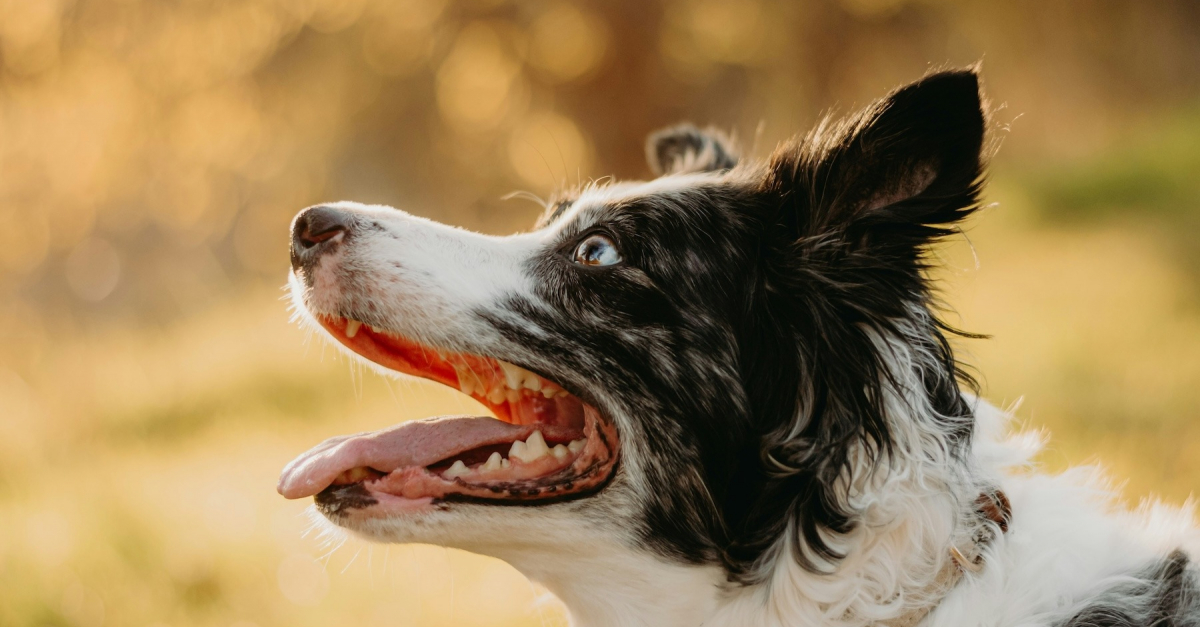
Heat stroke in your dog is not to be taken lightly. This is a veterinary emergency. Unlike us humans, our 4-legged companions regulate their body temperature poorly because they don't sweat much. They can mostly rely on panting.
When the outside temperature is high, physical exertion is intense or the animal remains in a poorly ventilated environment (locked in a car, etc.), its body can quickly be overwhelmed by the situation. Heat stroke then follows, the main signs of which are:
- Rapid, labored breathing.
- Hypersalivation.
- Unusual agitation.
- Severe fatigue.
- Dark red mucous membranes.
As his body temperature rises, the symptoms become more severe. It is possible to observe vomiting, diarrhea, loss of balance, muscle weakness, confusion or even tremors.
In more severe cases, your dog may lose consciousness, convulse or go into shock. Without rapid treatment, heat stroke can cause irreversible damage to the brain, kidneys, liver or cardiovascular system.
Note that certain categories of dogs are particularly at risk, such as brachycephalic breeds (Pug, English Bulldog, etc.), elderly furballs, puppies, overweight or sick animals (heart or respiratory problems, for example).
Why not put ice on your dog suffering from heatstroke?
When faced with a dog suffering from heatstroke, putting ice seems logical. The colder it is, the faster it should cool it! However, his body doesn't work that way.
When you apply ice or cold water to your pooch, the blood vessels on the surface of his skin suddenly constrict. This phenomenon of vasoconstriction reduces peripheral blood circulation.
To evacuate internal heat, the body needs blood to circulate towards the skin in order to dissipate it. By cooling your body surface too suddenly, you risk limiting this natural mechanism. The consequence is therefore paradoxical: the internal temperature can remain dangerously high while the skin seems cooled.
Sudden cooling can also cause heat shock, increased physiological stress or shivering. To ensure the health and well-being of your faithful companion, we invite you to avoid cold baths, ice packs directly on his body and frozen towels. These methods can make the situation worse instead of better.
Woopets' advice: how to react to heatstroke in your dog?
If your little friend shows signs of heatstroke, every minute counts. First, place it immediately in a cool, ventilated place (shady corner, air-conditioned room, etc.). Then, refresh it gradually:
- Use cool to lukewarm water.
- Wet its belly, legs and thorax.
- Allow the water to evaporate naturally.
- You can add the use of a fan.
- Offer him small amounts of water to drink, without forcing him.
Even if the animal seems to be better after a few minutes, a veterinary consultation remains essential. Heatstroke can cause internal complications that will manifest themselves several hours after the episode.
In summer, we recommend that you establish good lifestyle habits to prevent the onset of heatstroke. Avoid walking your dog during the hottest hours, always leave fresh, clean water available for him, favor shaded areas and never leave him alone in a car.