
Small plant parts, big risk
Eschborn. They can currently be found everywhere – in fields, meadows, along forest paths or even in city parks. Hardly a walk goes by without them getting caught in the four-legged friend's fur: we're talking about awns. The small, bristly plant parts seem harmless at first glance, but can have serious health consequences for dogs and cats. The animal protection organization TASSO therefore provides information about the risks and explains how pet owners can best protect their animals.
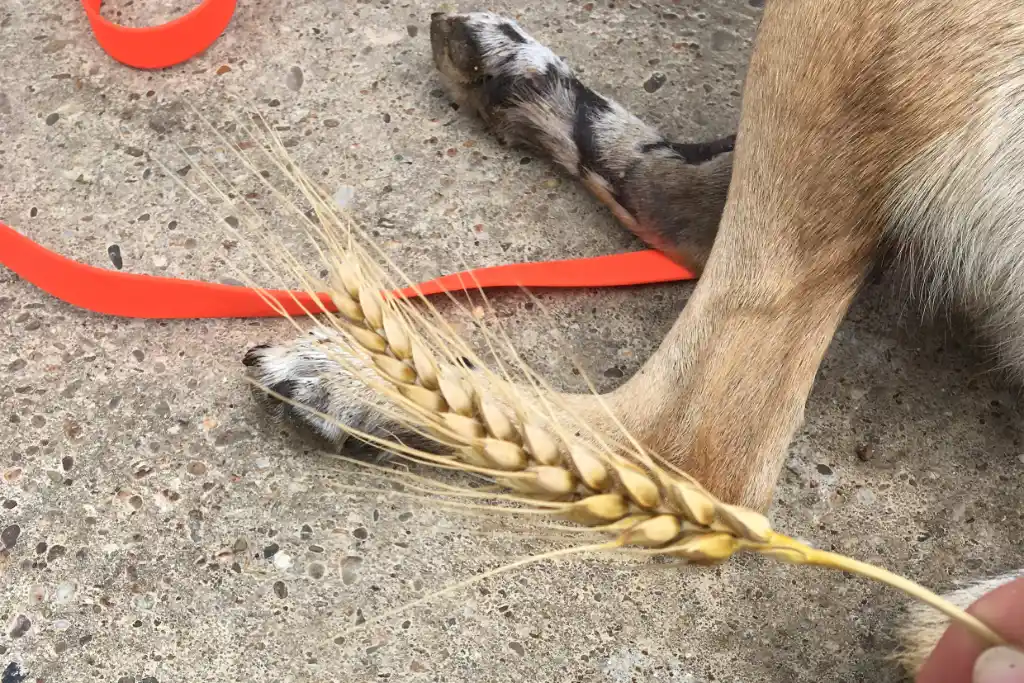
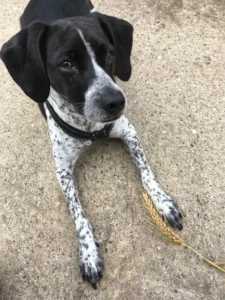 Awns are small parts of plants that are found, for example, on the ears of various types of grain or wild grasses. Equipped with barbs, they can easily attach themselves to the fur and penetrate the animal's skin or body openings such as the nose, ears or eyes and from there migrate further into the body. “Many pet owners underestimate the danger posed by awns. The plant particles can cause painful inflammation and purulent abscesses in the skin, damage the eardrum in the ear or lead to corneal damage and even blindness in the eye,” warns Dr. Laura Witting, veterinarian and animal protection consultant at the animal protection organization TASSO.
Discover awns in good time
If the dog suddenly shows one of these symptoms during or after a walk or the cat after being released, dog owners should be alert and immediately check their four-legged friend for awns:
- noticeably frequent sneezing or one-sided nasal discharge,
- Eye squinting or noticeable eye discharge,
- intense scratching of the eyes or ears,
- constant shaking of the head,
- lick paws,
- sudden limping.
It is crucial to recognize and remove awns as early as possible. If the awn is only slightly lodged in the dog or cat's skin or fur, owners can attempt to remove it themselves. “However, if the awn has already penetrated deeper into the body, you should go to a veterinary practice immediately,” advises Dr. Witting.
Prevention and control
To reduce the risk of awns, dogs should avoid walking through tall grass or grain fields. However, awns often become detached from the plants and are spread around the area by the wind. Therefore, caution is advised everywhere. Dr. Witting points out that dogs and cats should be checked for awns every day during the awning season: “The paws, armpits and groin area in particular should be checked thoroughly. For long-haired dogs, it can also make sense to trim the fur between the pads a little.”
Was this amount interesting or helpful?
Your rating shows us what you and your furry friend like – it's like a treat for us.