
Why this time of year requires special attention
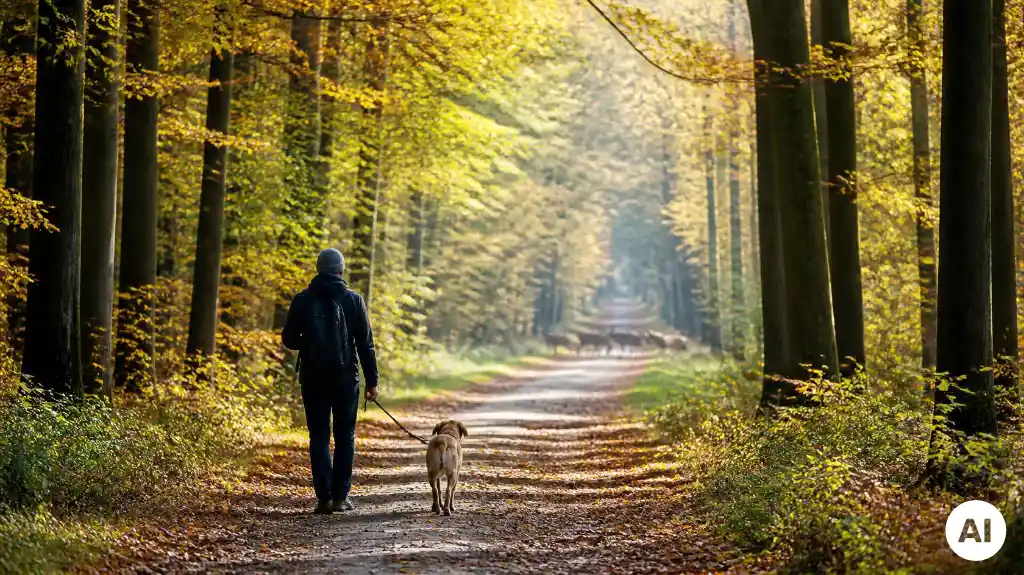
Boppard. Autumn not only changes the landscape, but also the behavior of many wild animals. For our dogs, this time means a mixture of new stimuli, intense smells and situations that can quickly become dangerous. The rutting season for red deer and roe deer, which takes place in early to mid-autumn, requires dog owners to be particularly careful. In this phase, deer and roebucks are strongly influenced by hormones, territorial and significantly less shy than usual. A dog – even on a leash – is often perceived by them as a potential attacker. This can lead to abrupt, aggressive reactions that are dangerous for both the dog and the person.
Rutting times in autumn/winter
- Autumn (September–November):
Red deer, fallow deer, sika deer, chamois deer, elk deer, mouflon deer. - winter (November–January):
Stone deer, mouflon, wild boar/wild boar (main noise)
A notice: The information is a guideline, as weather, altitude and age structure influence the exact times.
 During the rut the animals are under enormous stress. They defend their territory, are sensitive to movements and noises and are more easily provoked. Encounters with an angry deer can cause serious injury because the antlers are an effective fighting tool. Roebucks can also be surprisingly aggressive during this time. Therefore, in forest areas where red deer or roe deer occur, dogs should definitely remain on a leash in autumn. Paths off the main paths, thickets and well-known game crossing areas should be avoided.
Intense smells in the forest
But the rutting season is just one of several dangers that fall brings with it. As the leaves grow, the intensity of the smells in the forest increases. Damp leaves and wet ground release particularly high levels of scents, which increase the hunting instinct of many dogs. Even calm animals can suddenly react to signs of game and move away uncontrollably. At the same time, there are more mobile hunts in autumn (driven and driven hunt) instead, which means that wild animals escape more often and cross paths unexpectedly. A dog that runs loose at such times can easily find itself in a dangerous situation.
Poisoning hazards
Vegetation also poses risks. Autumn crocus, certain types of mushrooms and some ornamental plants are poisonous to dogs. Since many dogs sniff more intensively in autumn and occasionally ingest plant remains, the risk of poisoning increases. Additionally, ticks remain active until late fall, and damp forest floors can contain bacteria that cause gastrointestinal problems or infections.
Poor visibility
As the days become shorter comes another risk: poor visibility. Dogs are harder to spot in traffic in the morning and evening. Reflective collars, luminous collars or clearly visible harnesses significantly increase safety.
Safely through the fall with your dog
- Note the rutting season: Always keep dogs on a leash in forest areas.
- Avoid animal crossings: Avoid thickets, edge areas and known transition areas.
- Keep an eye on hunting season: Pay attention to information about hunts on the move.
- Poisonous plants and mushrooms: Do not let your dog sniff or eat unattended.
- Renew tick protection: Active until late autumn.
- Increase visibility: Reflective harnesses, luminous collars, bright clothing.
- Consider smell intensity: The hunting instinct can be triggered more strongly.
- Puddles and wet leaves: Risk of bacteria and gastrointestinal problems.
- Colder temperatures: Dry dogs well after bathing or raining.
- Road traffic: Be particularly careful at dusk.
Autumn is a fascinating season for all of us, but for our dogs it means a period of increased attention. Anyone who secures their dog well, respects wild areas, pays attention to visibility and is aware of typical autumn dangers will ensure that walks remain relaxed and safe. (Stefan Richter)
Was this amount interesting or helpful?
Your rating shows us what you and your furry friend like – it's like a treat for us.