
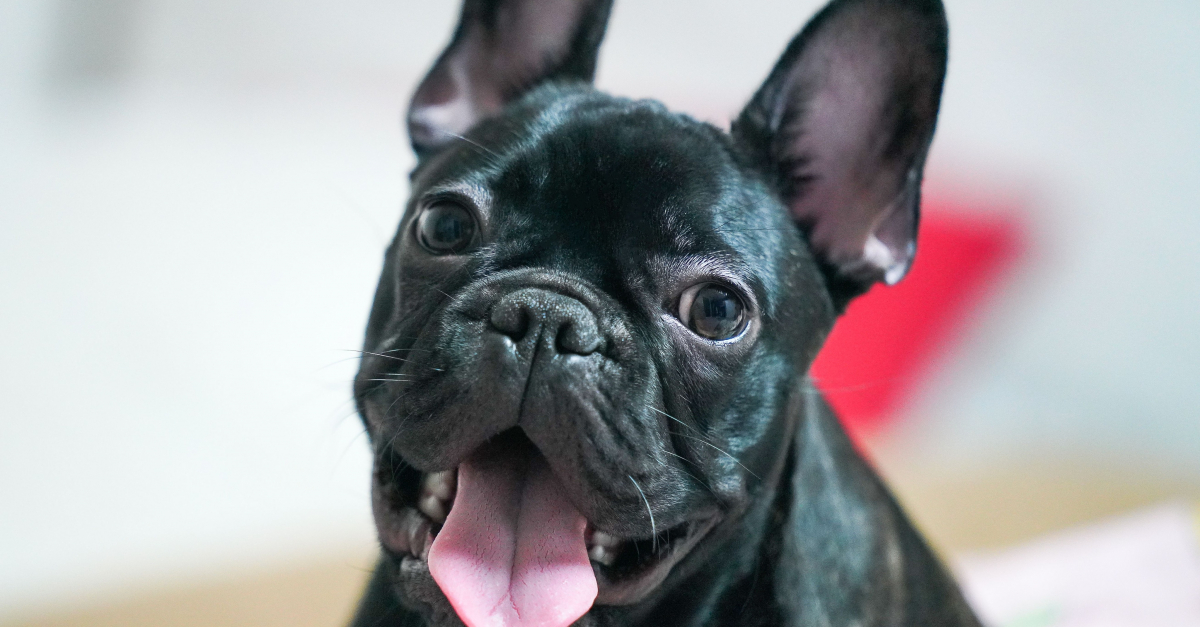
With their little crushed faces and their irresistible air, the Bulldogs have everything to make us fall in love. Unfortunately, this characteristic snout can also cause certain respiratory fragilities and make them particularly vulnerable when traveling by plane.
Brachycephalic syndrome
Like the Pug or the PekingeseTHE Bulldog is a brachycephalic breed distinguished by its very short and flattened skull and muzzle. This morphology, highly sought after for its appearance, can however cause several health problems. Their nostrils are often narrow and their airways may be obstructed by a palate that is too long or too thick, while the trachea may be narrower than normal. These characteristics make breathing more difficult for these small dogs and can cause snoring, whistling or noisy breathing, as well as poor exercise tolerance. Brachycephalic dogs are also less tolerant of heat, as their breathing difficulties can limit their ability to regulate their temperature and increase the risk of heat stroke.
Note that brachycephaly can also be associated with digestive disorders, eating difficulties or eye problems. As physical activity is often limited, excess weight can also set in and worsen breathing difficulties.
These weaknesses must be taken into account when traveling by plane: stress, heat, confinement, handling and transport conditions can increase the oxygen needs of these doggies and make their breathing even more difficult. Thus, for these dogs, air travel can represent a greater risk than for a healthy dog, especially when the brachycephalic syndrome is already marked.
A vital risk in the hold
For the Bulldogs and other brachycephalic dogs, traveling in the hold can indeed present a significant risk to their health, or even their life. Their short snout and stenosis of the nostrils reduce their respiratory capacity and make them particularly sensitive to heat, stress and temperature variations. During a flight, these factors can lead to breathing difficulties, respiratory distress, hypoxia (lack of oxygen) or hyperthermia, particularly in the event of thermal shock. In the most serious situations, these complications can lead to the death of the animal.
Faced with these risks, many airlines have also put in place specific restrictions for brachycephalic breeds and may refuse their transport in the hold, or even their transport in the cabin. Before any trip, it is therefore essential to contact the company and assess with a veterinarian whether air transport is suitable for your dog's state of health.
Woopets info – What to do before taking the plane with your Bulldog?
Before taking the plane with Bulldogit is better to anticipate and consider alternatives. Brachycephalic dogs are particularly sensitive to transport conditions and may have breathing difficulties in stressful or heat situations. Think about:
- Check the company's rules: transport conditions and restrictions may vary between companies, particularly for brachycephalic breeds;
- Favor a solution that allows you to stay with your dog: when possible, choose a mode of transport that limits the separation and stress of your Bulldog ;
- Keep in mind that “no contraindication” does not mean “no risk”: even a dog that appears perfectly healthy may be more vulnerable to the effects of heat, stress and breathing difficulties associated with air travel.