
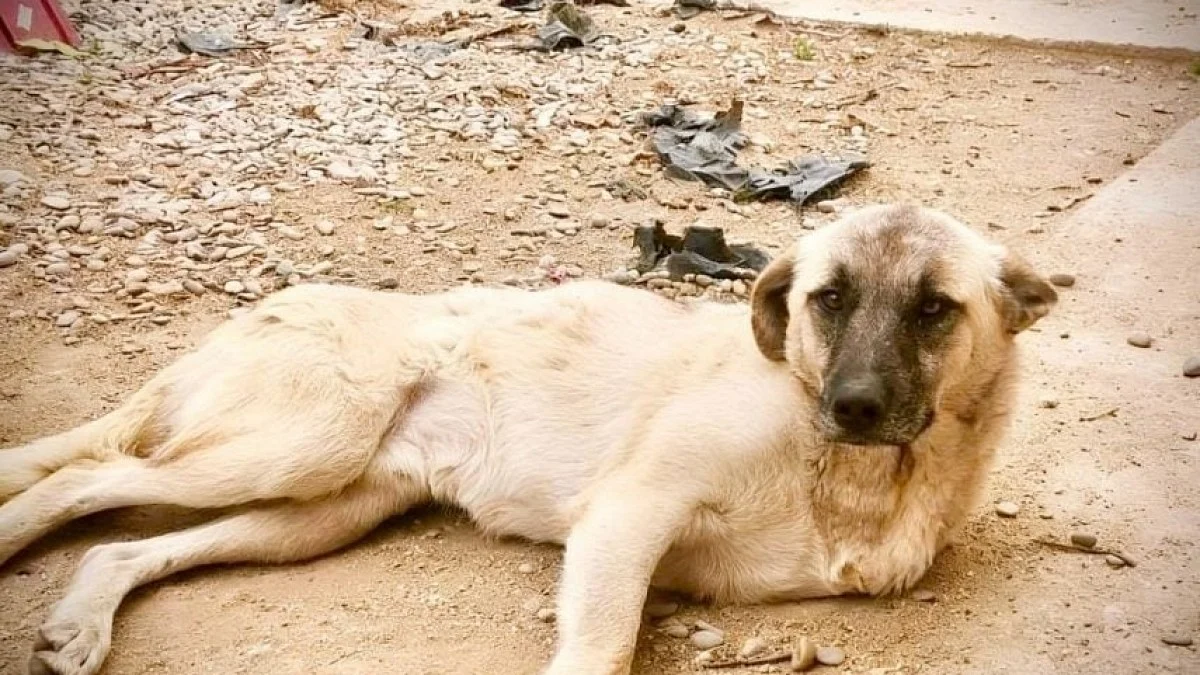
In a shelter in Romania, a crossbreed dog named Frankie waits for a family to open their door to him. Seriously injured during an attack by other dogs, he had to have one of his legs amputated, which did not prevent him from moving around without difficulty. His adoption announcement, relayed by Animaux.fr, paints the portrait of an adorable companion, a little reserved at first, who willingly comes into contact once he gains confidence.
Frankie is a medium-sized crossbreed male, weighing around twenty kilos and approximately 3 years and 4 months old at the time of the announcement. Arriving at the shelter in April 2024, he appears there under the label “disability”, a word behind which hides an ordeal: attacked by other dogs, the doggie was so seriously injured that the amputation of a leg was necessary.

Age : 3 years and 4 months
Location : Romania Romania
Association : Mel'ting Pets
Meet FRANKIE
Far from being slowed down on the path of life, he has adapted to his condition as a “little three-legged person”, to use the ad's phrase, and moves around without difficulty today.
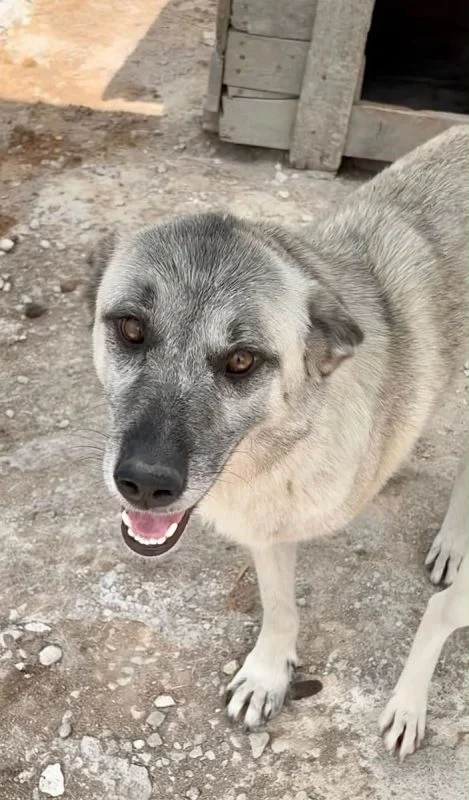
A shy dog at first
Faced with what he does not know, Frankie appears a little shy at first, but once he gains confidence, he willingly comes into contact. The association Mel'ting Pets presents him as an adorable dog and believes that with patience, gentleness and a lot of love, he will be able to evolve positively and gain confidence.
This ease is not limited to humans, since the crossbreed dog gets along very well with other doggies as well as with representatives of the feline race.
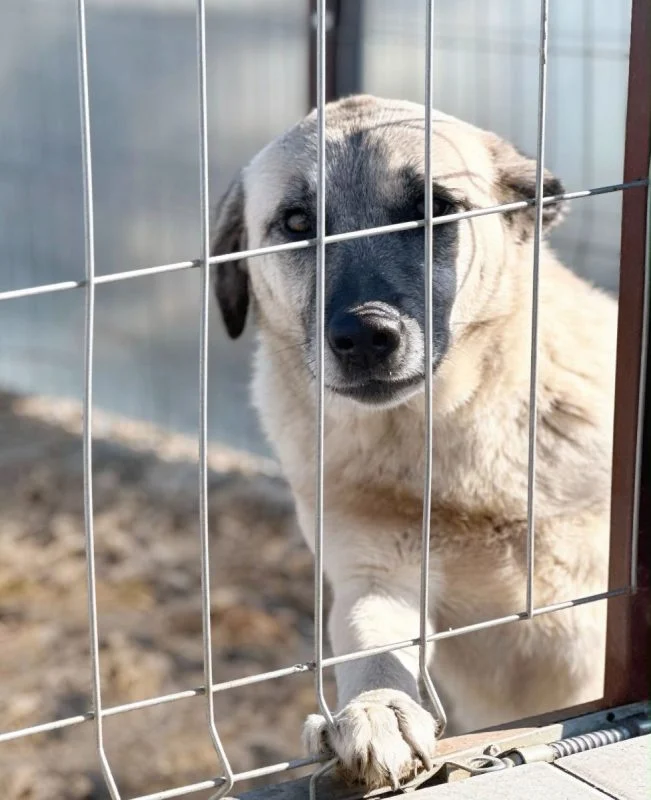
What is his ideal home?
The 3-legged dog lives, for the moment, in a shelter Romaniaand the ad now wishes him to know the security, the warmth of a home and all the love that he expects. Chipped, first-vaccinated and sterilized, Frankie awaits his family for life and can be repatriated in France by the association to begin a new chapter in its existence.
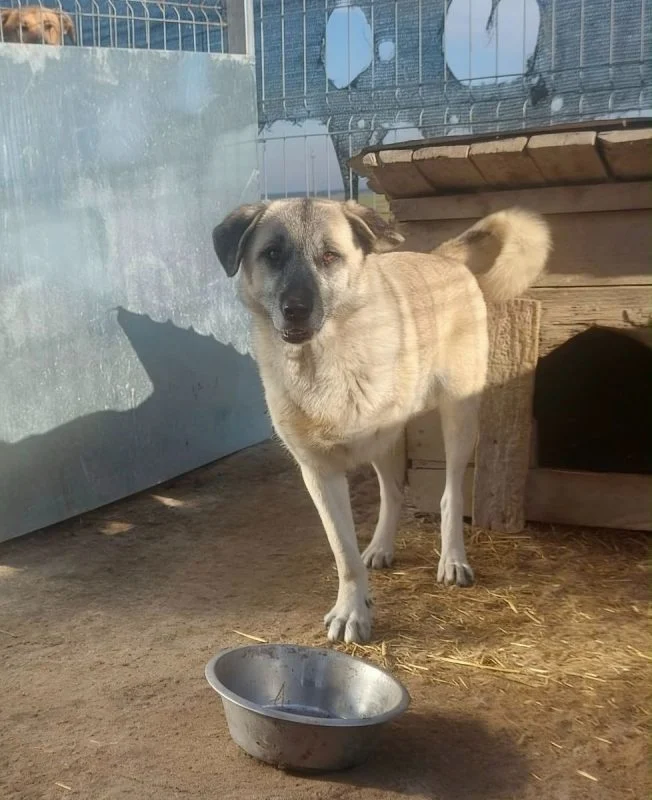
Woopets' advice: how to live with a 3-legged dog?
A 3-legged dog can run, play and enjoy many walks. You simply have to take his limits into account and give him time to find his balance.
At home, non-slip mats can help him move around safely without slipping. Limit jumping and stairs as much as possible, especially if he has just lost a limb.
As for outings, adapt them to their energy level and abilities. If he gets tired or shows signs of discomfort, we invite you to take a break.
Likewise, keep an eye on his weight, because each extra kilo puts more strain on his joints. Regular visits to your veterinarian allow you to check that everything is going well and to identify possible pain.