
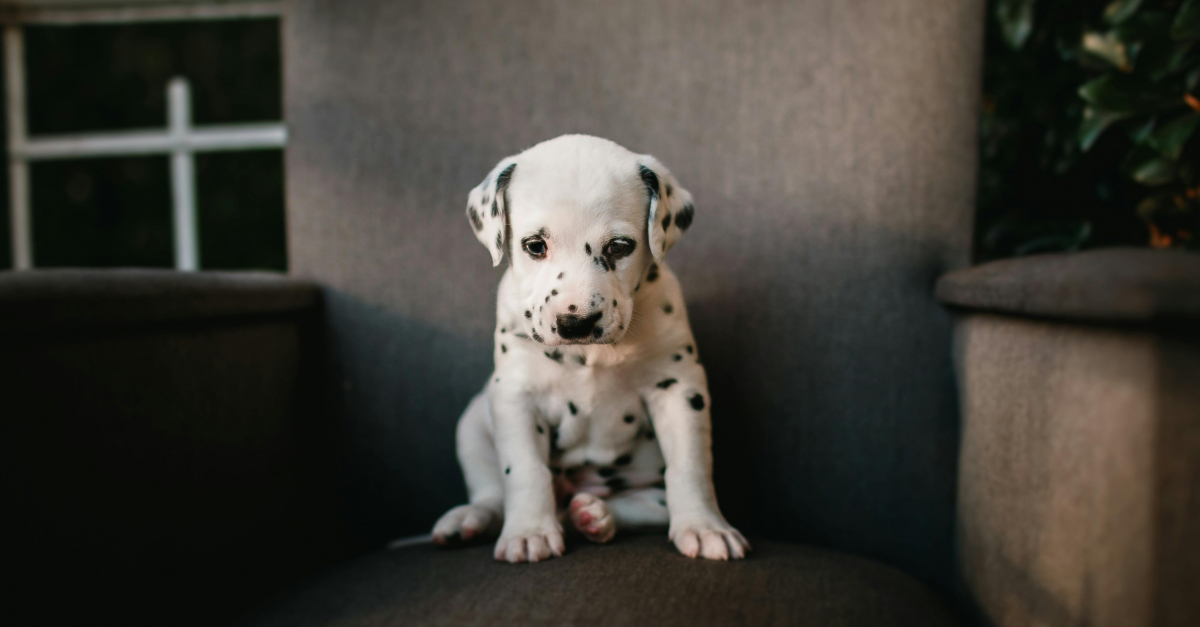
When a puppy arrives home, small accidents on the carpet or in a corner of the living room are often commonplace. And that’s completely normal! A young dog does not yet know how to restrain himself properly and gradually learns where and when to do his business. Faced with these unexpected pees, many owners look for quick solutions and still fall on an old “trick”: putting the puppy’s nose in his needs to make him understand his stupidity. A method passed down with conviction for generations which is actually a very bad idea.
An ineffective and harmful method
Even though this practice has long been considered “normal,” punishing a puppy when he relieves himself in the house is today clearly not recommended. For your little ball of fur, it is impossible to associate an accident he had earlier with a punishment given after the fact. It's not a “stupid” or something “dirty”: your puppy simply doesn't make the connection between the two.
As a result, reactions such as poking his nose in his urine, scolding him or shaking him can above all generate fear, stress and a loss of confidence in you.
In the long term, it can even slow down potty training. Indeed, a young dog who has been punished will tend to hide when doing his business, or even refuse to do so in front of his master, even outside.
Conversely, if you take a calm and consistent approach, it will be much more effective. So, if you discover a small accident in the corner of your kitchen, it's best to ignore it, take your puppy out immediately to give him another opportunity to do his business outside, and then discreetly clean the area without attracting his attention.
Small accidents are normal and part of learning. But, rest assured, with patience and appropriate reactions, your little doggie will gradually understand where he needs to do his business, without fear, and while maintaining confidence in you.
What are the best practices for potty training a puppy?
Potty training a puppy relies above all on patience, understanding its needs and positive education. Rather than looking for a quick solution, try to implement simple and reassuring habits. Frequent outings, especially when waking up, after meals or after a nap, will allow your puppy to gradually understand when and where he should do his business. By repeating these moments in the same places, he will get his bearings more easily.
Positive reinforcement also plays a key role: praise your little dog as soon as he does his business outside, with a soft voice, caresses or a small treat. This will help him associate this behavior with something positive. He will learn what you expect of him, without stress or confusion.
Also remember to observe your little ball of fur. If she walks in circles, fusses or comes looking for your attention, she probably needs to go outside!
In addition, a few good habits can also help you with potty training: do not leave your puppy unsupervised, anticipate his needs by noting his usual times and increase the number of outings at the beginning. Don't despair! With consistency and kindness, your puppy will eventually get his bearings and progress naturally towards cleanliness.