
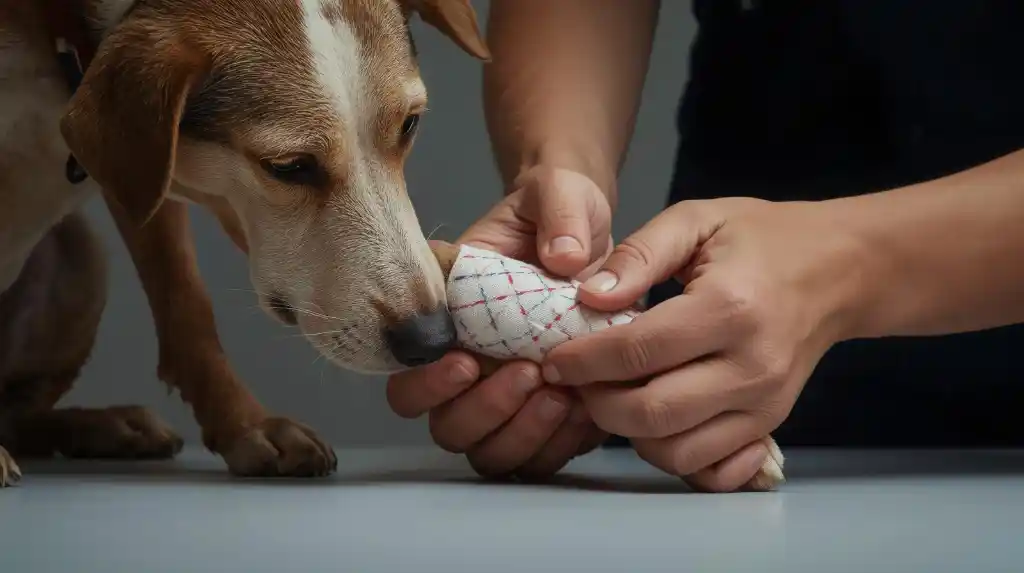
A cool head and a well -sorted pilot pharmacy are important
Düsseldorf. A pointed floor in the forest, an insect bite or playing wildly: in everyday life with dog and cat there is always small injuries, rarely also to sudden emergency. Anyone who is prepared for such a situation and stays calm as a holder can quickly remedy the situation.
First aid is always important when pain is to be relieved or there is an acute danger to health or even the life of the four -legged friend. Classic situations are:
- Injuries caused by accidents, bite or cuts.
- Poisoning, such as plants, medication or household resources.
- Insect bites, allergic reactions or swelling.
- Circulation problems, shortness of breath or unconsciousness.
- Swallowing foreign bodies.
What animal owners can do
“A cool head is central in a crisis situation,” explains Dr. Petra Sinder, first vice president of the Federal Association of Practicing Veterinarians (BPT) and owner of a small animal practice. “You should stay calm yourself and try to calm the animal yourself. You should make sure that the patient does not accidentally bite into the helping hand. Dogs can be briefly tied up the snout, wrap cats into a sweater or a cloth. Then you can initiate first aid measures. The basic principles are like us humans: cleaning wounds and protecting swelling carefully or safely removing swelling. As with poisoning, shortness of breath or severe pain, you should not experiment yourself, but visit a veterinarian as quickly as possible. ”
 It is human that an animal lover is churning and adrenaline shop when he sees his four -legged friend suffering. On the other hand, if you could already practice in advance. Many veterinary practices or animal welfare organizations regularly offer first aid courses for the supply of pets. Haltern is shown there what you recognize problems and how you can treat your animal – even in extreme situations, for example when dog or cat passed out.
Continue watching and seeking the veterinarian
After a wound has been taken care of, you should definitely continue to watch your pet. “Not every emergency can be recognized at first glance as such. If an animal suddenly withdraws, no longer eats, panting heavily or showing other behavioral problems, this can also indicate inner problems,” warns the veterinarian. “It is always worthwhile to ask in practice and describe the case as soon as the situation has calmed down. Better to call too much than to act too late.”
Well equipped: The pet pharmacy for home
The preparation for an emergency also includes a small household pharmacy that is individually tailored to the animal. Basically, the following should always be available:
- Medicines: Means against diarrhea, pain and fever should be available, but should definitely be approved for the respective animal species. “Medicines for humans are unsuitable or even life -threatening because they can work very differently with the animal,” emphasizes Dr. Sinder. The veterinarian can recommend the appropriate means.
- Wound supply: Association material, sterile disposable gloves, cotton wool for the padding, bandage scissors, sterile saline solution for wound cleaning, non -alcoholic disinfectant spray and anti -inflammatory wound ointment help in an emergency.
- Tweezers: If foreign bodies are to be removed superficially, tweezers is the first choice. If in doubt, the vet helps.
- Digital fever thermometer.
- Muzzle as biting protection: Even very friendly dogs can snap when they are in pain.
- Insect and tick protection: Spot-on preparations, tablets or syringes and collars protect against fleas and ticks. If the dog still has a tick, it must be pulled with special tick pliers or a tick hook as quickly as possible.
- Emergency contacts: Telephone numbers from the veterinarian, veterinary clinic and poison emergency call should be ready.
Interested parties can find an overview with the central poisonous numbers of the individual federal states in life with pets, the service portal for animal lovers.
Industrial Association pet supplies (IVH) e. V.