

PETA expert gives tips for tick season
Stuttgart. Jana Hoger, specialist for animal companions at PETA, explains to dog owners what diseases ticks can transmit, why tick prevention is so important and what to do in the event of an infestation.
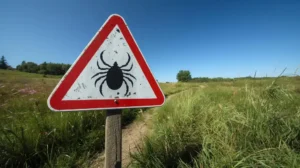 “Dogs should be thoroughly checked for ticks after every walk, because only if the parasites are removed quickly can the transmission of sometimes life-threatening pathogens be prevented,” says Jana Hoger. “If you don't have the confidence to remove it yourself, you should definitely go to a veterinary practice and not waste time unnecessarily. Regular prophylaxis is also recommended during tick season, which can protect the dog from an infestation and the resulting diseases.”
Ticks are parasites that develop from eggs through larval and nymph stages to adult ticks. Each of these intermediate stages requires a blood meal for further development. If the animals bite, dangerous pathogens can be transmitted to the dog while sucking – some of which can lead to death.
Diseases that can be transmitted through a tick bite:
Lyme disease: The bacterial infection with so-called Borrelia is often chronic and is sometimes difficult to diagnose. Joint problems, pain in muscles, tendons and bones as well as paralysis can indicate an illness.
Babesiosis: The infectious disease, also known as canine malaria, is caused by protozoa (Babesia) caused. It destroys the red blood cells (Anemia) and can cost four-legged friends their lives. It is usually transmitted by the so-called riparian forest tick. Babesiosis used to be a so-called motion sickness. Due to climate changes and the associated milder winters and hotter summers, the riparian forest tick – and thus also babesiosis – has now spread throughout Central Europe.
Anaplasmosis: If left untreated, this bacterial infection with anaplasma is fatal. What is particularly tricky is that the disease is often silent or only accompanied by very unspecific symptoms such as high fever, muscle hardening or fatigue, which do not immediately indicate the cause. Nosebleeds can also be a symptom of anaplasmosis.
Ehrlichiosis: If a dog becomes infected with Ehrlichia, it can also be life-threatening for him if he is not treated by a veterinarian. Sick animals suffer in the acute phase (from about two to four weeks) often with non-specific symptoms such as fever, nosebleeds, shortness of breath and vomiting. This is followed by a symptom-free phase and then the chronic stage, accompanied by symptoms such as bleeding, lameness, cramps, emaciation and fatigue.
TBE: The often fatal tick-borne encephalitis is transmitted by viruses. Neurological symptoms such as apathy, gait disorders, seizures and high fever usually occur. TBE is often transmitted by the tick species common wood tick and the alluvial forest tick.
Special case of tick paralysis
The salivary secretion of many ticks contains neurotoxins that, depending on the type of tick and the strength of the dog's immune system, can lead to paralysis.
Prevention and treatment
In regions with a high incidence of ticks, dogs must be protected with suitable preparations. There are various options for this: from “spot-on” preparations to sprays to various preventative oils. Individual advice on this is ideally provided by veterinary specialists. But be careful: many dog preparations can be dangerous for cats.
If a tick has bitten you, we recommend using commercially available special tick tweezers to remove the parasites. Dog owners can have the correct technique demonstrated at their trusted veterinary practice. Which direction you turn doesn't matter when it comes to the distance. However, it is important that the tick body is not squeezed so as not to empty the salivary glands containing the pathogens. In addition, the tick should be completely removed – including the head.
Was this amount interesting or helpful?
Your rating shows us what you and your furry friend like – it's like a treat for us.