
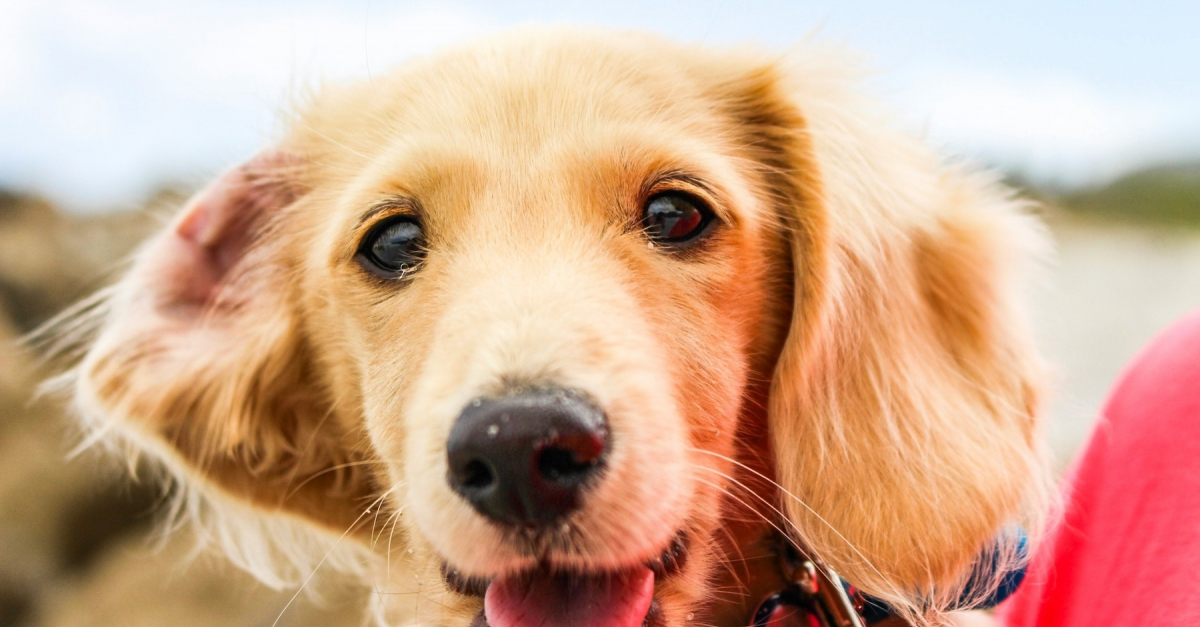
You want to clean the little ears of Medor with a cotton swab? Veterinarians strongly advise against its use in dogs.
The main reason is linked to the anatomy of his ear canal which forms an L. When you insert a cotton swab, you do not actually remove the earwax. You tend to push it deeper into the conduit instead! This then accumulates at the bottom of your dog's ear and can lead to irritation, infections or the formation of plugs.
Another possible danger? An injury. A sudden movement of your pet at the wrong time can cause damage to the ear canal. In the most serious cases, the cotton swab can even lead to perforation of the eardrum, a veterinary emergency that can permanently affect his hearing.
Finally, let us also point out that cotton swabs can irritate the very sensitive skin which lines the inside of the ear and create a favorable environment for the development of bacteria or yeast.
How to clean your dog's ears safely?
To clean your dog's ears correctly and peacefully, forget about the cotton swab right away! We invite you to use an ear solution specially designed for your species and recommended by your veterinarian.
During the little grooming session, gently lift his ear and apply a few drops of the product inside. Gently massage the base for a few seconds to remove impurities and earwax. Then, let your furball naturally shake its head to expel some of the residue. All you have to do is wipe the entrance to his ear canal using clean compression.
What about the cleaning frequency? As a general rule, it is advisable to maintain your pretty little ears at least once a week. Canine breeds with long or drooping ears, such as Bassets or Cocker Spaniels, require increased monitoring, because they are particularly prone to ear infections. Also note that cleaning too frequently risks unbalancing your pet's ear canal. Therefore, please refer to your veterinarian's recommendations.
Woopets' advice: how to recognize an ear infection in your dog?
Otitis is one of the most common ear conditions among our dog friends. The earlier it is detected, the easier it is to treat.
Several signs should alert you:
- Your faithful companion frequently scratches his ears.
- He shakes his head often.
- His ears give off a bad smell.
- You notice redness or discharge from the ear canal.
- He seems embarrassed or in pain when you touch his ears.
Faced with these symptoms, avoid self-medication and do not attempt intensive cleaning. Some ear infections require specific treatments and improper cleaning can make the situation worse.
The best attitude to adopt is to make an appointment with your veterinarian quickly. This will examine your dog's ear canal, identify the origin of the problem and prescribe the most appropriate treatment.