
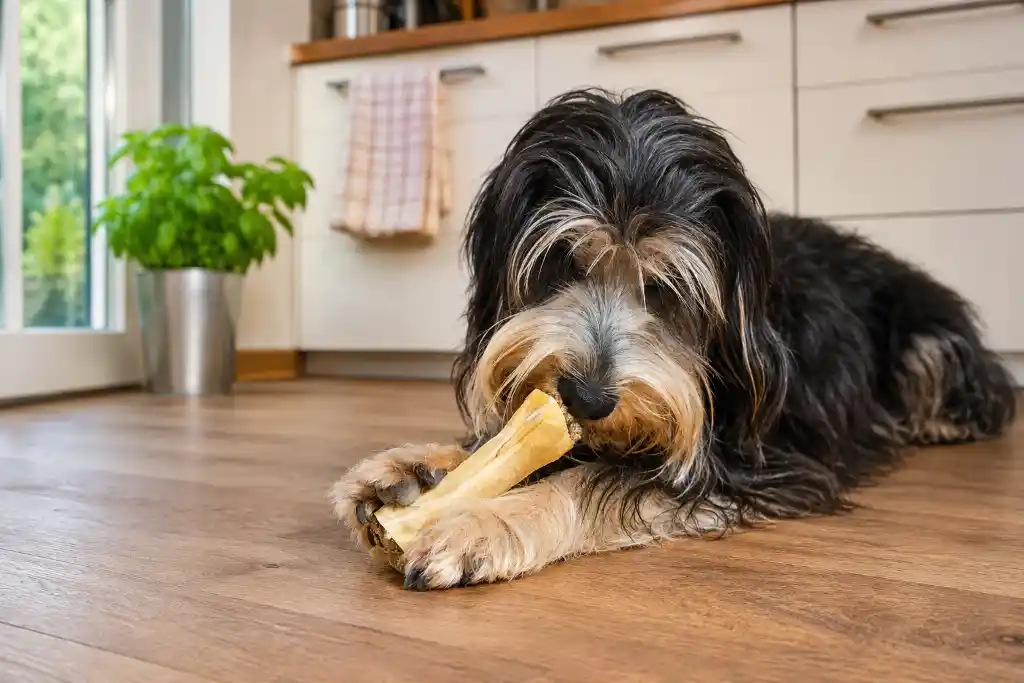
Mammaly veterinarian Raffael Sommer explains how dogs get through the winter months well
Berlin. The dog licks its paws extensively after a walk, seems tired more quickly than usual or has a sensitive stomach after romping around in the snow: Many dog owners only realize afterwards that the winter is affecting their four-legged friend. Road salt and ice put a strain on the bales, snow can be hard on your stomach, and in the dark, wet and cold weeks your defenses are also required.
What is important now and what is good for dogs on frosty days? Raffael Sommer, DVM, veterinarian with a focus on animal nutrition at mammaly, provides answers. He knows the typical winter aches and pains from veterinary practice.
1. How do I prepare my dog for the cold before going for a walk? “If the temperature is below zero, it's worth taking a quick look at the paws before going out. It's best to trim long hair between the pads carefully, otherwise clumps of snow and ice will get stuck in them. A thin layer of paw balm forms a protective film against the cold and road salt. Whether a coat is necessary depends on the coat, size and age: small, short-haired, very slim, old or sick dogs cool down more quickly, while dogs with a dense undercoat usually don't need one. And in frost, it's better to have several short ones Do laps as a long one, with a lot of movement instead of standing around for a long time.”
2. And after the walk: How do I care for my paws so that road salt doesn't leave any marks?
“Immediately after coming home, rinse the paws with lukewarm, not hot, water and dry them thoroughly, including between the toes. This way the road salt disappears before it dries out the skin further or the dog ingests it when licking. A care balm then keeps cracked pads supple. If you have the opportunity, it's worth taking a look at small cracks, redness or splinters that have appeared. If the dog hobbles, it is protecting a paw or a wound becomes infected he went to the vet’s office.”
3. My dog eats snow while walking. Is that worrying?
“A few bites are usually not a problem. However, larger amounts can irritate the stomach lining, which in practice is called snow gastritis. Typical signs are vomiting, diarrhea or a sensitive stomach. In addition, snow on the side of the road often contains road salt, grit or other residues. Catching snowballs is therefore not a good idea. If the symptoms last longer than a day or if you appear significantly weakened, a visit to the vet is necessary.”
4. What to do if it is too uncomfortable outside for long rides?
“Then the exercise can move indoors. Brain work often makes dogs tired just as happily as a long walk: search games with hidden treats, a sniffing carpet, new little tricks or an obstacle course with pillows and blankets. Chewing is also a natural way for many dogs to calm down. However, if you run less, you use less energy. If the rounds are shorter and there are lots of rewards when playing, it is best to put part of the normal food ration into the search games instead of adding it on top.”
5. How do I help my dog through New Year's Eve? “Preparation pays off here. It's best to set up a quiet retreat a few weeks in advance, such as a darkened corner with a familiar blanket. The last big round on December 31st ideally takes place before dark, and on a leash: individual firecrackers often go off during the day, and frightened dogs then easily run away. At home, closed shutters, quiet music and, above all, a calm person help. If the dog is close, you can talk to it and pet it without a problem “If you have a strong fear of noise, it’s worth talking to the veterinary practice early, because some measures need to be taken in advance.”
6. Does my dog need different food in winter?
“A healthy family dog that spends most of the cold months in a warm home usually doesn't need a fundamentally different diet. Dogs that spend a lot of time outside or are challenged with sport in the winter, on the other hand, have a higher energy requirement. In any case, the basis remains a high-quality, balanced food. Building on this, a targeted supplement can make sense, tailored to the dog's age, activity and state of health.”
7. Do dogs become more susceptible to infections in winter?
“It cannot be said in general terms. But the constant change between cold, wet air outside and dry heated air inside puts a strain on the mucous membranes, and in the dark weeks many dogs move less. It is good to dry thoroughly after wet sessions, have a place to sleep without drafts and get regular exercise in the fresh air. However, coughing, nasal discharge or noticeable fatigue are part of the practice. Because a large part of the immune system is located in the intestines, it is also worth taking a look at the intestinal flora. If you want to supplement specifically, you can, for example “Use colostrum, which is naturally rich in immunoglobulins, or pre- and postbiotics, which can promote a balanced intestinal flora.”
Winter helper from mammaly
for defenses and calmness
Whether it's paw balm, a sniffing game or a quiet retreat: most of Raffael Sommer's tips can be incorporated into everyday life without much effort. If you want to support your dog beyond that, you can target areas where the cold season particularly drains your strength and nerves: in the gray weeks when defense is required, and around the turn of the year, when firecrackers and rockets cause unrest. Mammaly has developed a suitable solution for both situations.
Immu Push –
Tailwind for defense on cold, wet days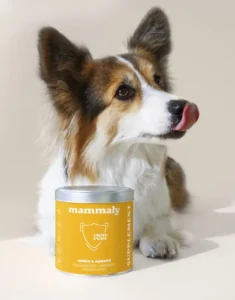 With Immu Push (approx. 120 snacks) mammaly has developed a snack that supports exactly this: colostrum, spirulina and the postbiotic YANG® can help support natural defenses. In addition, postbiotics and prebiotics can promote a balanced intestinal flora, which in turn plays an important role in immune defense. The snacks are produced using a gentle no-heat process without heating, using lamb as an animal protein source.
Relax Bone+ –
A haven of peace for the days surrounding New Year's Eve For many dogs, New Year's Eve is anything but a celebration. An activity that distracts and provides support is all the more valuable. The handmade, air-dried chewing bone offers up to 45 minutes of chewing fun, depending on the dog, and long chewing is a good distraction for many dogs. At its core is a 4-in-1 relaxation complex made from chamomile, lemon balm, white mulberry and lavender, which can have a calming effect and promote the reduction of restlessness and stress. It's best to use the bone on New Year's Eve afternoon or with the first bangs, and like any chewing bone, under supervision. It was developed together with veterinarians and contains no sugar, gluten or preservatives.
Happily exhausted from running around in the snow and then snuggled up comfortably under a warm blanket: winter has many beautiful sides for dogs. If you keep an eye on your paws, immune system and well-being, you create the best conditions for enjoying the cold season carefree. This means that dogs and humans can get through the winter months well together.
Further information at www.mammaly.de.
Was this amount interesting or helpful?
Your rating shows us what you and your furry friend like – it's like a treat for us.