

FOUR PAWS gives tips on effective training through positive reinforcement
Hamburg. Dogs, cats and even small animals such as rabbits or guinea pigs not only need species-appropriate care, keeping and feeding, but also mental activity. Especially now, when the days are getting shorter and darker, you can specifically challenge and encourage your pet with so-called clicker training. FOUR PAWS pet expert Dr. Sabrina Karl explains how clicker training works and what needs to be taken into account.
During clicker training, an animal is shown by a – usually acoustic – signal that it is behaving correctly at a certain moment. The signal also announces a reward. A commonly used signal is a “click” sound made by pressing a small handheld device known as a “clicker.” It can be used for educational exercises, learning tricks or activity exercises, or even working on undesirable behaviors that may cause problems in everyday life.
“Clicker training can be a positively reinforcing and needs-oriented training method. In any case, the avoidance of any punishment or coercion enables even shy and fearful animals to learn in a way that is characterized by joy and enthusiasm. This should always be the first choice. The clear and unambiguous form of communication with the clicker method is an effective and animal-friendly way to train an animal to behave in any way that it is physically and mentally capable of. Clicker training is often used in dog training, but so is cats and even small animals can use it to learn signals such as visual and auditory signals or small tricks,” says Dr. Sabrina Karl, pet expert at FOUR PAWS.
Preparation for successful clicker training
“In order for the animal to be able to do anything with the clicker sound, it must first establish a connection between the sound – which is intended to mark a certain behavior – and the positive reinforcement – i.e. a reward: after each click, the animal receives a reward, like a treat. If this process is repeated a few times, the animal quickly associates something positive with the signal,” explains Dr. Sabrina Karl.
Clicker training as a positive educational exercise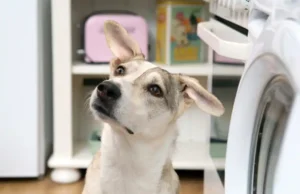 Once the animal has established the connection between the clicker and the subsequent reward, you can directly use the clicker to train the desired behavior. “The clicker marks the animal's behavior and reinforces it positively. Either when the animal shows a desired behavior on its own or because you ask it to do so in advance. In both cases, the animal clicks first and then rewards,” says the FOUR PAWS expert. “Timing and clear communication are particularly important. Then it sometimes only takes two or three repetitions until the animal perceives the connection between the marked behavior and the reward and, thanks to the positive reinforcement, quickly understands the behavior the person wants and repeats it more often.”
An example: A dog that is actually nervous will lie down on its own and relax. The regular clicking and rewards show him that the person wants and encourages this behavior. The dog will therefore offer it more often and will feel more comfortable and be able to relax better in more difficult situations.
Clicker training for undesirable behaviors
Clicker training can also be used to retrain unwanted behavior in dogs, such as excessive barking or tugging on the leash. The dog is “clicked” and rewarded before it usually shows this behavior, thus reinforcing the relaxed behavior. “This is also about positive reinforcement of the desired alternative behavior. During training, it may be advisable to receive support from competent, certified dog trainers,” advises Dr. Sabrina Karl.
“Click” and reward belong together
Clicker training makes it possible to capture and mark behavior precisely. “Reaching for the treat bag can often not be as timely and precise as the confirmation with the click. Ideally, the reward still occurs within a few seconds after the click is made,” says Dr. Sabrina Karl. Once a desired behavior has been repeated often enough and is consolidated, you can vary the frequency of rewards by only occasionally marking and rewarding the best repetitions or by foregoing them altogether. “This should be adjusted individually – depending on the animal’s learning speed and frustration tolerance,” says the expert. “In addition, each animal reacts individually to clicker training; some become very excited. The training sessions should then be reduced accordingly.”
FOUR PAWS recommends: A reward must always follow a click. If this does not happen, this can lead to the deletion of the link between click and reward.