
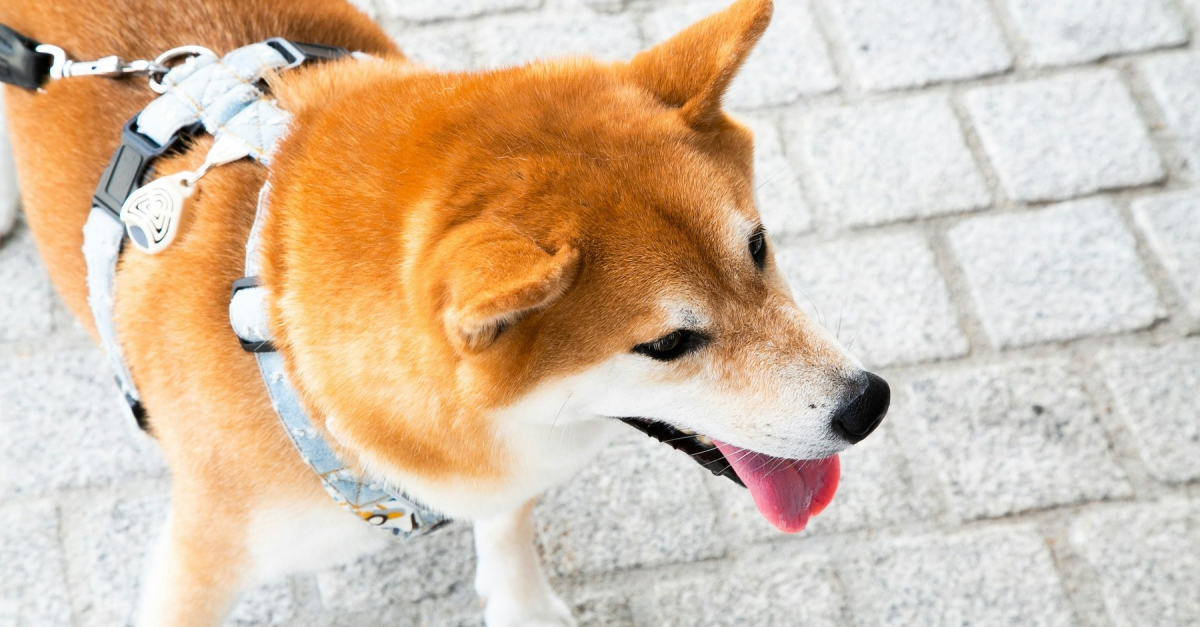
Unlike us humans, dogs hardly sweat. The few sweat glands present under its pads do not allow it to sufficiently evacuate heat. He therefore uses his breathing to lower his body temperature.
By opening the mouth widely and breathing faster, it promotes the evaporation of the humidity present on its tongue and in its respiratory tract. This mechanism – panting – helps your body cool down when it needs it.
After a walk, a play session or an outing under the blazing sun, this reflex is perfectly normal. As a general rule, everything returns to normal after a few minutes of rest in a cool place.
Causes of panting in dogs
There are several possible explanations behind the panting of your faithful 4-legged companion. Here are the main causes to be aware of.
The heat
When the mercury rises, your dog's panting intensifies. This is the most effective way for him to combat the rise in his body temperature.
During heatwaves, we recommend that you keep a close eye on its general condition. Very rapid breathing, excessive salivation, unusual weakness or difficulty moving around can indicate heat stroke.
Physical effort
Running, playing or walking for a long time is enough to speed up your breathing. Like humans, your dog's body needs to recover after exercise.
The panting gradually diminishes as he regains his composure. If it continues long after the end of the activity or seems excessive given the effort made, we advise you to discuss it with your veterinarian.
Stress or anxiety
Not all panting is temperature related. An anxious dog may breathe very quickly while in a cool room. A storm, fireworks, a car ride, a trip to the vet or a change in environment are sometimes enough to stress him out.
In some doggies, panting appears even before other signs of stress. Tremors, repeated yawning, unusual restlessness or difficulty relaxing are often added to this.
The pain
Despite the pain, many dogs continue to eat, go out or play. Panting that occurs for no apparent reason can indicate a serious problem. Joint pain or an injury may be responsible.
An underlying disease
Some illnesses are also accompanied by faster breathing. Heart problems, respiratory conditions, fever or certain hormonal imbalances are all possible causes.
In older canines, this sign also deserves to be taken seriously. It is easy to attribute it to aging, when it can indicate a disease that requires treatment.
Woopets' advice: should you consult the veterinarian in case of excessive panting in your dog?
If your dog is panting after a walk or because it's very hot, start by letting him recover in a cool place with clean water available. His breathing should return to normal in a short time.
But make an appointment with your veterinarian if this panting appears without explanation, returns regularly, lasts longer than usual or is accompanied by other abnormal signs such as severe fatigue, loss of appetite, coughing, vomiting or difficulty breathing.
A dog that is panting is not necessarily hot or thirsty. Sometimes his body is just trying to alert you to a problem that needs to be identified.