
He had to be found as quickly as possible, not only because of his age, but also the ” climate risks » mentioned by the Gendarmerie. That morning, in the Anjou woodstemperatures were cool for the season (around 12 to 16°C), with possible morning humidity. For the victim, these conditions could quickly lead to hypothermia, fatigue and dehydration.
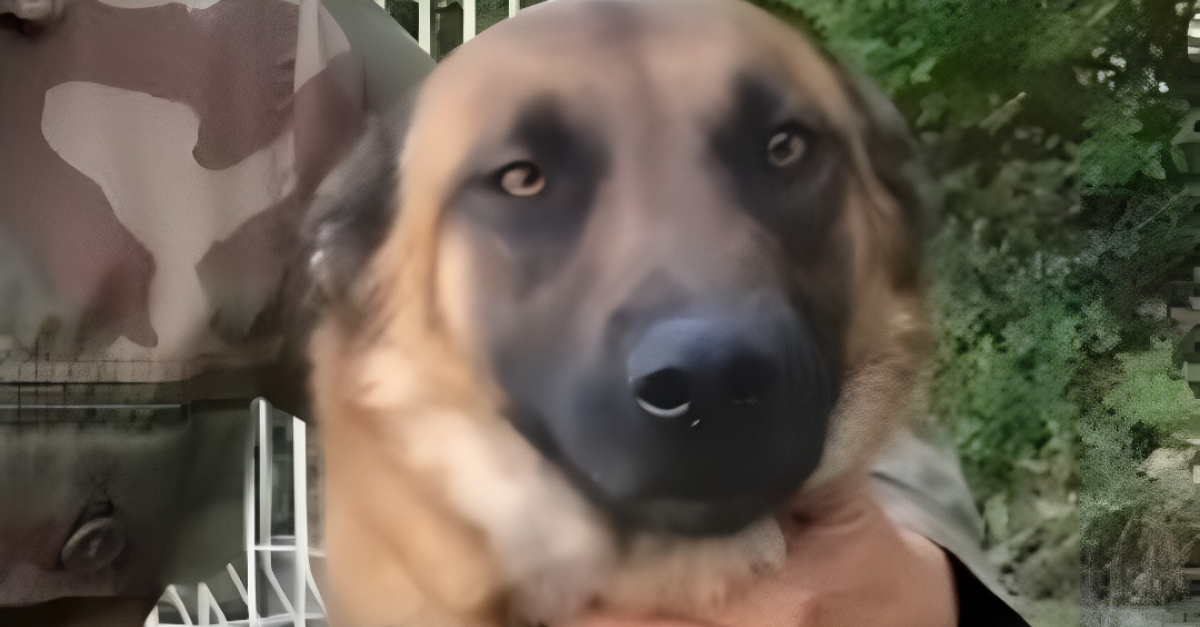
The soldiers quickly deployed a major search system, including the PSIG dog team (Gendarmerie Surveillance and Intervention Platoon) from Château-Gontier-sur-Mayenne. PadmaBelgian Shepherd Malinois, and his master are part of this unit mobilized for the search operation.
“As soon as he arrives on the scene, the Malinois lets his instincts speak”
The quadruped located the nonagenarian who was lying on the ground, exhausted and hidden by the dense vegetation.
The firefighters, who were also present on the scene, took charge of him and provided him with emergency care, before transporting him to the University Hospital Center ofAngers.
Woopets info: how do search dogs manage to locate a missing person so quickly?
Tracking dogs have an extremely keen sense of smell, capable of identifying an individual human trace among thousands of odors present in a natural environment. Even after several hours, they can still exploit olfactory particles left on the ground, on vegetation or in the ambient air.
When they are involved in a disappearance, these dogs follow a very precise tracking logic: they “scan” the terrain by detecting the direction of movement of the person, then gradually refine their search until they locate an area of concentration of odor. This is what allows you to quickly reach a restricted area, even in a dense environment such as undergrowth.
Specialized dogs like Padma are particularly effective in this type of intervention thanks to their endurance, their concentration and their ability to work in difficult conditions. Their motivation and training allow them to stay focused despite the distractions of the field.
Finally, their action is all the more effective when the emergency services have an object impregnated with the smell of the missing person. This makes it possible to immediately direct the olfactory work and optimize the first minutes of research, which are often decisive.