
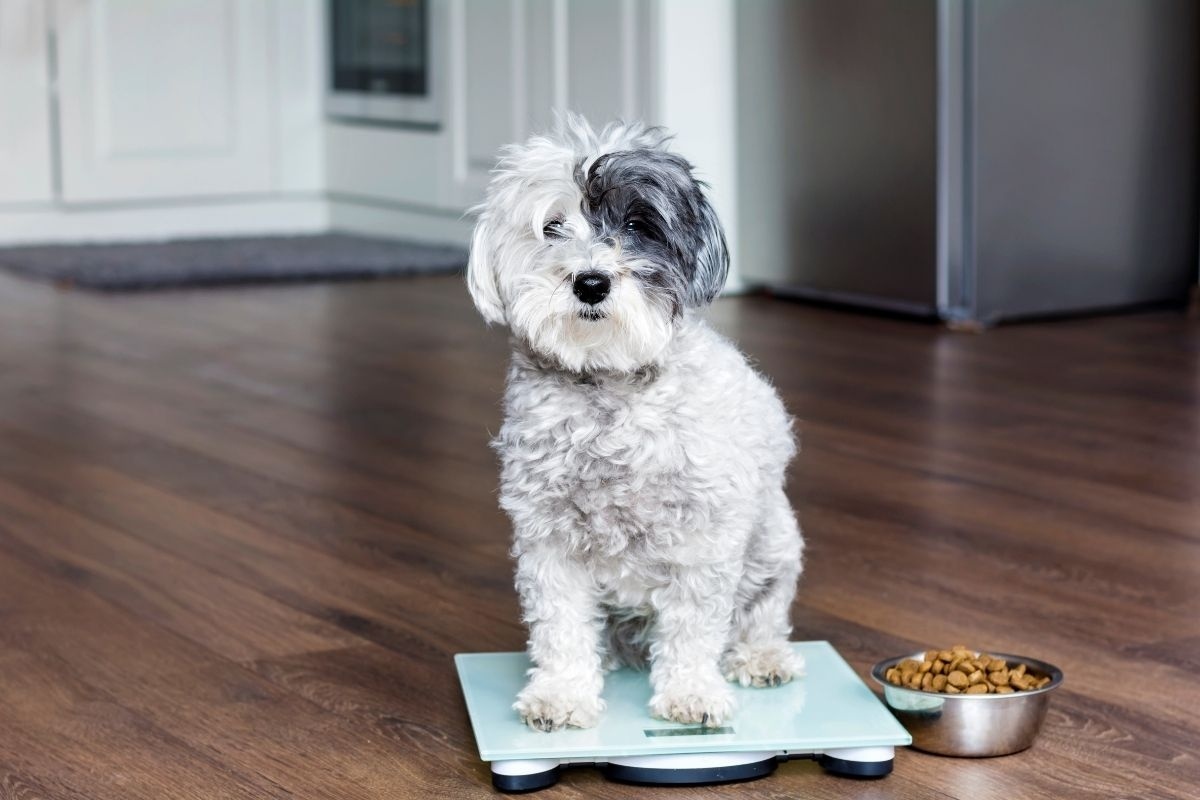
It is often said that pets and their owners are similar – be it in the fur color or body weight. If you want to lose weight quickly, nowadays rely more on injections for appetite enhancement instead of sports and diet. So far, only regular movement and an adapted amount of feed have been helping with dogs and cats. But that could change soon.
According to the British Guardian Explore companies, whether an active ingredient that reduces the feeling of hunger in humans is also effective in animals. A biotech company is currently developing an implant that could be available from 2028. The hope: Pets should also benefit from the progress of modern obesity treatment.
The health consequences of overweight are similar to animals and humans: less activity, more cravings for high -energy feed and thus a steady weight gain. Scientists from Munich took this a few years ago. The risks are significant – from diabetes to heart problems to respiratory diseases. According to studies, more than every second pet in Germany is overweight.
Why weight loss preparations in pets are seen critically
Whether medication is needed to solve the problem remains controversial. Animal welfare organizations see responsibility, especially among the owners who often overfeed their animals – often out of affection.
Veterinarians therefore continue to advise classic measures: “I would recommend animal makers to first focus on a change in diet and more exercise in the sense of budget and animal health. We know that this is effective and safe,” explains Eleanor Raffan, veterinary and genetics expert at the University of Oxford.
If this is not sufficient, drug appetite suppressants could be considered as a supplement. They could at least counteract the well -known “dog view”, which many cannot resist. Raffan adds: “Our studies show that it is particularly difficult when a dog is very motivated for feed.”
But the appetite of an animal is an important indicator of its health. Critics therefore warn: If hunger is artificially reduced, health warning signals could be overlooked. There is also a risk that further diseases occur in the event of refusal to feed.
The pharmaceutical company Okava, which is currently developing a corresponding implant,, on the other hand, emphasizes that the preparations should not fully inhibit the appetite, but only the excessive begging and reduce constant feed fixation. The animals should continue to be able to consume normal portions. The first tests on the animal are planned, the market launch could take place in about three to four years.
In the end, the question remains whether such medical solutions are ethically justifiable – especially since there is cheaper alternatives with movement and diet. This decision is ultimately the responsibility of each individual owner.
She might also be interested
- Obesity in the dog: This is how he decreases successfully
- This is how the cat holds its feel -good weight