

For many owners, fur means above all: hair everywhere. As temperatures rise and the days become longer, the dog's body begins to shed the thick winter coat and make room for the lighter summer coat. It is a finely tuned process that is hormonally controlled and prepares your body for the warmer season. A well-supported coat change not only ensures a healthy, shiny coat, but also strengthens the skin, metabolism and well-being.
Why dogs change their fur in spring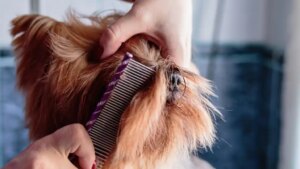 The dog's coat change in spring is primarily triggered by the increasing amount of daylight. The melatonin level drops, the metabolism changes and the body begins to shed the thick undercoat of winter fur. This winter fur protects against cold in autumn and winter, but becomes a risk in spring because it promotes overheating. Therefore, the dog replaces the heavy fur with a more airy summer fur that dissipates heat better.
For many owners this means: dog hair everywhere in spring – on the floor, on clothes and in the car. For the dog itself, however, it is an important biological process that ensures its temperature regulation.
How long does it take to change fur?
The duration of the coat change depends heavily on the breed, coat type and living conditions. On average, it takes six to eight weeks for dogs to shed their fur. Dogs with a lot of undercoat – such as German Shepherds, Huskies or Collies – lose fur particularly intensively. Short-haired dogs often shed shorter, but more heavily at once.
Dogs that live predominantly indoors often show slower but longer-lasting shedding because artificial light and constant temperatures influence the natural rhythm. Older dogs or dogs with metabolic problems may also need longer to shed their undercoat.
What needs to be taken into account during shedding
During the change of fur, the dog's body is put under a lot of strain. That's why it's worth observing fur, skin and behavior more closely.
- Check skin health: Scales, redness, or bald patches can indicate stress or nutrient deficiencies.
- Avoid tangles: Loose undercoat can quickly become knotted, especially in long-haired dogs.
- Parasite control: With the first warm days, the risk of ticks and fleas increases.
- General well-being: Dull fur or unusually heavy hair loss can be signs of health problems.
Optimally support the coat change
In spring, many owners specifically look for tips such as 'removing the undercoat', 'spring coat care for dogs' or 'reducing dog hair'. The most important measures can be divided into three areas:
- Grooming
- Regular brushing is the most effective way to remove loose undercoat. Depending on the type of coat, daily brushing may make sense.
- Special brushes such as undercoat combs, curry combs or fur rakes help to loosen deep undercoat.
- Bathe only when necessary: A mild dog shampoo can help remove loose hair, but bathing too often dries out the skin.
- Nutrition
- Omega 3 and omega 6 fatty acids support skin and fur and can accelerate shedding.
- High-quality protein is important because fur consists predominantly of proteins.
- Biotin, zinc and B vitamins promote healthy fur growth.
- Everyday
- Exercise stimulates the metabolism and supports natural fur change.
- Sufficient water helps the body to remove metabolic products.
- Clean sleeping spaces reduce skin irritation and hair buildup.
Shedding – the most important facts
- Why change fur?
More daylight → less melatonin → winter fur is shed → summer fur grows back. - Duration:
6 to 8 weeks, more intensive for dogs with a lot of undercoat. - Typical problems:
Dog hair in spring, mats, dry skin, parasites. - Remove undercoat:
Brush regularly, use suitable brushes, adapt coat care to coat type. - Nutritional support:
Omega‑3, Omega‑6, protein, biotin, zinc.
Important in everyday life:
Exercise, water, clean berths.
The dog's shedding in spring is a natural but intensive process that prepares the dog for the warm season. With proper coat care, a nutrient-rich diet and regular support in removing the undercoat, this phase can be made much more pleasant. If you know your dog's needs, you can not only make shedding easier, but also strengthen the health of its skin and coat in the long term. (SR)
Was this amount interesting or helpful?
Your rating shows us what you and your furry friend like – it's like a treat for us.