
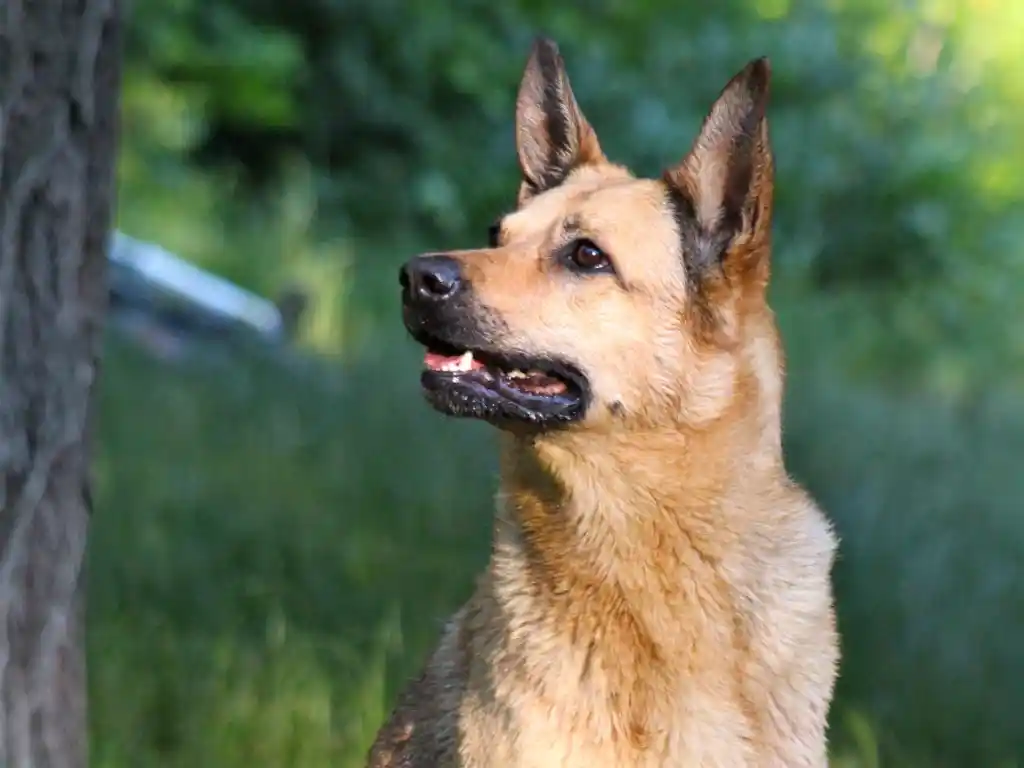
FOUR PAWS gives tips on how to protect your dog while walking
Hamburg. The oak processionary moth is a moth whose caterpillars occur in oak forests. Depending on the weather, the caterpillars come down from the trees in mid-April or early May and finally become butterflies by July. During this pupation period, they pose a great danger not only to people, but also to dogs. FOUR PAWS gives tips on how to protect your animal from the dangerous caterpillars and their nests.
What makes the oak processionary moth so dangerous to dogs?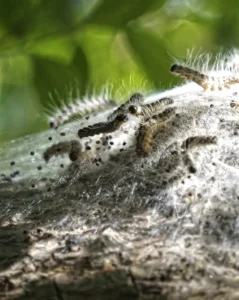 During the final larval instar, when the caterpillars have a dark stripe with whitish lines on each side, they develop fine, short and hollow stinging hairs that cover their entire body. These hairs are particularly dangerous because they contain an irritating substance. “With each molt, the number and length of the stinging hairs increases – and so does the risk for the dog of coming into contact with them,” says FOUR PAWS pet expert Dr. Sabrina Karl.
Dog owners should pay attention to these symptoms
If these stinging hairs come into contact with the dog's skin or mucous membranes, they penetrate the tissue, attach themselves with their small barbs and secrete a nettle poison. “The oak processionary moth's dangerous stinging hairs can cause severe itching, skin rashes or even fever and vomiting in dogs. Conjunctivitis, breathing difficulties and allergic reactions, including life-threatening anaphylactic shock, are also possible. In the worst case, suffocation can result. If your animal shows signs of these symptoms, be sure to consult a veterinarian as quickly as possible,” advises the FOUR PAWS expert.
Sniffing, licking or nibbling is prohibited To ensure that your dog does not come into contact with an oak processionary moth, it is advisable to be particularly vigilant when taking walks in the spring months: “If possible, avoid walking your dog in areas with many oak trees and keep your dog away from trees that could be infested,” says Dr. Sabrina Karl. “Make sure that your dog does not sniff, lick or nibble on any nests. The dangerous stinging hairs are also found in the oak processionary moth's nests, which are usually dome-shaped or teardrop-shaped – initially silky white and later brown – and stick to the trees.”
Be sure to keep dogs on a leash in affected areas
But it's not just direct contact with the caterpillars themselves that poses a danger: oak processionary moth caterpillars also shed their hair as a defense mechanism when they feel disturbed or threatened. “So take a close look at where your dog is sniffing or frolicking. Be sure to keep your animal on a short leash in affected areas,” says Dr. Charles. In addition, owners should always pay attention to current warnings issued by the responsible authorities or corresponding information signs.
Was this amount interesting or helpful?
Your rating shows us what you and your furry friend like – it's like a treat for us.